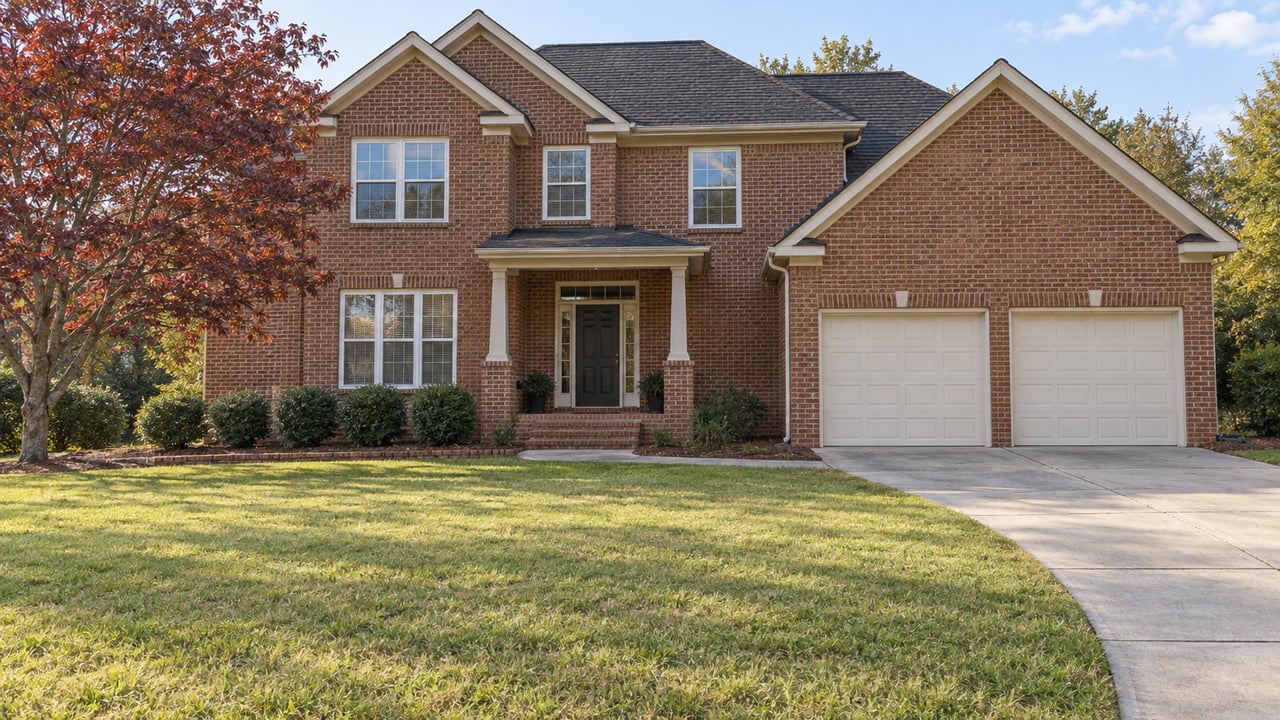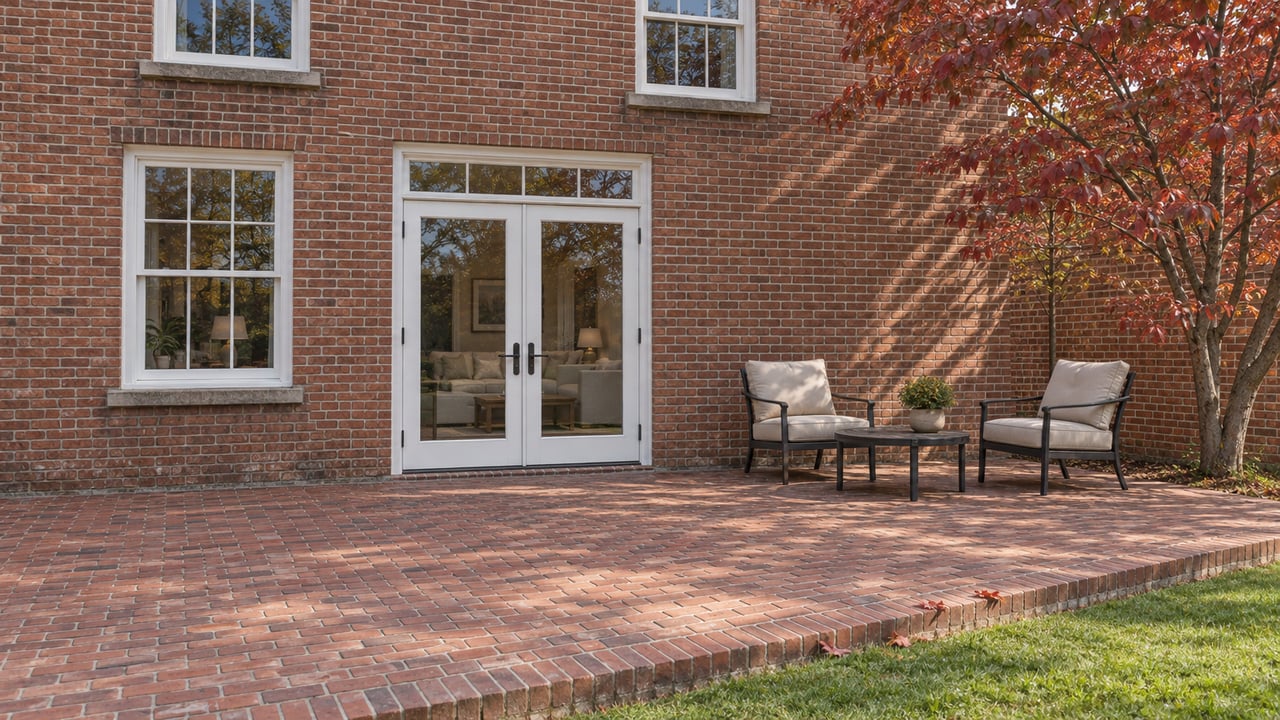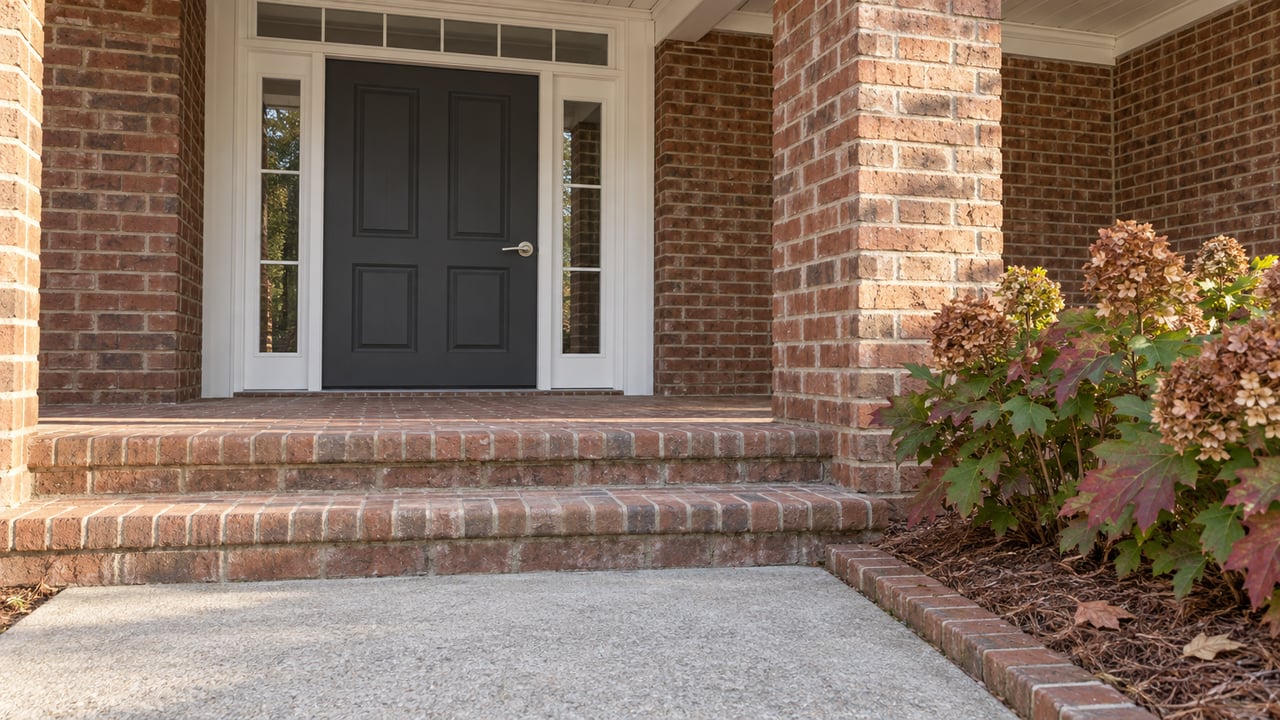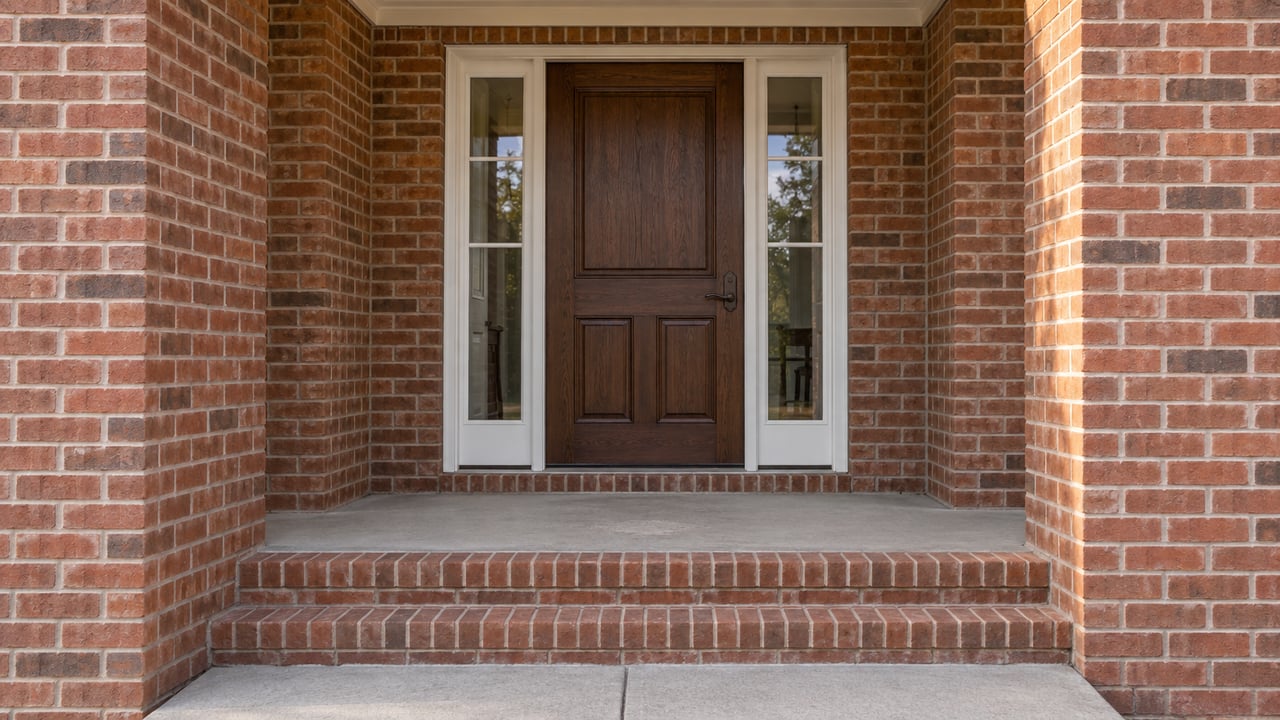
Trying to decide between life near downtown Covington and a home on the outskirts? You are not alone. Many buyers love Covington’s charm but get stuck on one big question: do you want convenience and historic character, or more land and breathing room? The good news is that Covington and Newton County offer both, and understanding the tradeoffs can help you choose with confidence. Let’s dive in.
Why this choice matters in Covington
In Covington, the in-town versus outskirts decision is not just about style. It can also affect zoning, lot size, utilities, and how you use your property over time.
Covington is the county seat of Newton County, and the city and county handle land use differently. The city’s zoning ordinance applies inside Covington city limits, while Newton County Development Services oversees unincorporated areas. That means two homes with the same mailing area can come with very different rules and possibilities.
What in-town Covington feels like
If you picture walkable streets, historic character, and easier access to shops and restaurants, in-town Covington may feel like a natural fit. The city says the Central Business District includes the Square and several large shopping centers, while the Hospitality District serves as a center for business, entertainment, nightlife, restaurants, parks, and shopping.
For many buyers, that means daily convenience. You may be able to handle errands with a short drive, and in some areas, enjoy a more walkable setting than you would farther out in the county.
Historic setting and compact homes
The area near downtown has a distinct built environment. Covington has two local historic districts, and commercial buildings are concentrated within a two- to three-block radius around Covington Square.
That historic setting is part of what gives in-town Covington its appeal. It also usually comes with a more compact residential pattern than you will find on the outskirts.
A city staff report on an NR-2 parcel cited a minimum lot size of 5,000 square feet and a minimum lot width of 50 feet. The city’s civic design standards also note that townhome lots can be as narrow as 20 feet in some settings. In practical terms, homes closer to town often offer less yard space than rural or semi-rural properties in Newton County.
Historic district rules to know
If a property is inside one of Covington’s local historic districts, exterior changes may require review. The city uses a Certificate of Appropriateness process for exterior renovations in those areas.
That does not mean you should avoid a historic property. It just means you should go in with clear expectations if you plan to make visible exterior updates.
What the outskirts of Covington feel like
If your dream home includes more land, more privacy, or a less commercial setting, the outskirts may be a better match. Newton County planning materials describe low-density rural residential areas and planning tools intended to preserve rural sections.
This is where many buyers start looking when they want room for hobbies, outdoor living, or a more open feel. It can also be a strong fit if you are considering land, a mini-farm setup, or a property with well and septic features.
Larger lots and rural character
County zoning examples are much larger than typical city infill lots. Newton County’s current zoning working copy includes 10-acre agricultural districts, 2-acre rural-estate districts, and an A-R district with standards that vary by utility service.
That matters because not every property outside town works the same way. Some buyers assume every outskirts property functions like open acreage, but lot-size rules and utility availability can shape what is actually allowed.
More car dependence
The county has a strong road network and three I-20 interchanges, which helps with regional travel. At the same time, county transportation materials note weak public transit, narrow roads, too many dead-end streets and cul-de-sacs, and limited multimodal options.
In everyday life, that usually means you will rely more on your car if you live on the outskirts. If you want a quick walk to shopping or dining, the outer areas will likely feel less convenient than homes closer to downtown.
Open space and recreation
Newton County also highlights farms, rivers, parks, and trail opportunities. That helps explain why many outer areas feel more open and recreation-oriented than the historic core.
If you enjoy a quieter setting or want more separation from the commercial center, this lifestyle may check a lot of boxes. For many buyers, that tradeoff is worth it.
Commute times may surprise you
Some buyers assume living inside Covington city limits always means a shorter commute. The numbers do not really support that.
The mean travel time to work is 36.5 minutes for Covington city and 35.9 minutes for Newton County. In other words, being in town does not automatically create a meaningfully shorter commute.
Newton County’s 2023 plan update also found that almost 80 percent of residents worked outside the county in 2019. The same report says residents most often commuted to Covington, Atlanta, and surrounding areas, and 9.6 percent commuted 50 miles or more.
Focus on access, not just the map line
For many households, exact road access matters more than whether a home is technically inside the city line. If your routine depends on quick highway access, a well-placed home on the outskirts may work just as well, or better, than one closer to downtown.
On the other hand, if your daily life includes local errands, dining, parks, and a more walkable environment, in-town Covington has a clear edge. The right answer depends on how you actually live from Monday through Friday, not just what sounds good on paper.
How to decide which fit is right
A simple way to narrow your choice is to think about what you want more of in daily life. Usually, the answer comes down to convenience, space, and property flexibility.
Choose in-town Covington if you want
- Historic character
- Shopping and dining within a short drive or walk
- A more compact residential setting
- Less yard maintenance in many cases
- Easier access to the Square and downtown activity
Choose the outskirts if you want
- Larger lots
- A rural or semi-rural setting
- More separation from the commercial core
- More room for outdoor uses
- A property type that may better fit acreage or mini-farm goals
Key checks before you buy
Before you make an offer, confirm exactly where the property sits and what rules apply. In the Covington area, this step can save you time, money, and frustration.
Here are the basics to verify:
- Whether the home is inside Covington city limits or in unincorporated Newton County
- Whether the property is in a local historic district
- What zoning district applies
- What lot-size standards apply
- What utility service is available
If you are looking at a historic home, ask about the review process for exterior changes. If you are shopping on the outskirts, confirm the lot size and utility details before you assume the property will function like a full acreage tract.
The best fit is the one that supports your life
There is no one-size-fits-all answer in Covington. Some buyers will be happiest close to the Square, where historic charm and convenience shape daily life. Others will feel more at home on the outskirts, where larger lots and a quieter setting offer more space to spread out.
The key is to match the property to your real routine, your long-term plans, and the way you want to use the home. That is where local insight makes a real difference.
If you want help comparing in-town homes, rural properties, or homes with more land around Covington and Newton County, Lorraine Krieger can help you sort through the details and find the right fit for your next move.
FAQs
What is the main difference between in-town Covington and the outskirts?
- In-town Covington usually offers a more compact, historic setting with easier access to shopping, dining, and downtown destinations, while the outskirts usually offer larger lots, a more rural or semi-rural feel, and greater car dependence.
Do homes near downtown Covington usually have smaller lots?
- Often, yes. City examples cited minimum lot sizes such as 5,000 square feet for some residential parcels, and townhome lots can be narrower than traditional suburban lots.
Do outskirts properties in Newton County always allow acreage-style use?
- No. County zoning varies, and lot-size rules can depend on the zoning district and utility service, so you should confirm the specific property details before making assumptions.
Does living in Covington city limits always mean a shorter commute?
- Not necessarily. Mean travel time to work is 36.5 minutes for Covington city and 35.9 minutes for Newton County, so road access may matter more than the city-limit line.
What should you check before buying a historic home in Covington?
- Check whether the property is in a local historic district and whether planned exterior changes may need review through the city’s Certificate of Appropriateness process.
What should you verify before buying on the outskirts of Covington?
- Confirm whether the property is in unincorporated Newton County, what zoning district applies, what the lot-size standards are, and what utilities are available.