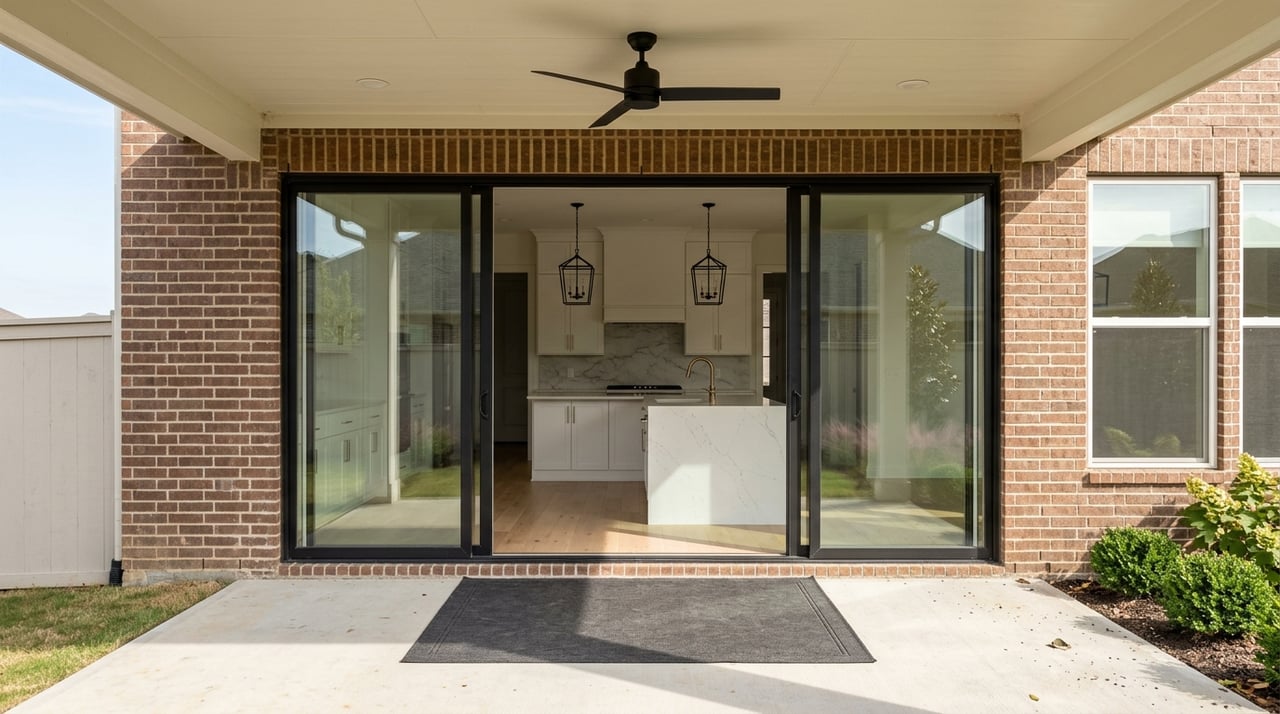
Buying your first home in Covington can feel exciting, but it can also get overwhelming fast. Between setting a budget, comparing loans, and figuring out what homes fit your needs, it is easy to wonder where to start. The good news is that a clear plan can make the process much more manageable. This step-by-step guide walks you through what to expect in Covington, what to watch for, and how to move forward with confidence. Let’s dive in.
Understand the Covington market first
Before you start touring homes, it helps to know what the local market looks like right now. Public market snapshots vary by source, but they generally place Covington homes in a range from the high-$200,000s to the mid-$300,000s, depending on whether you are looking at sale prices, list prices, or home value estimates.
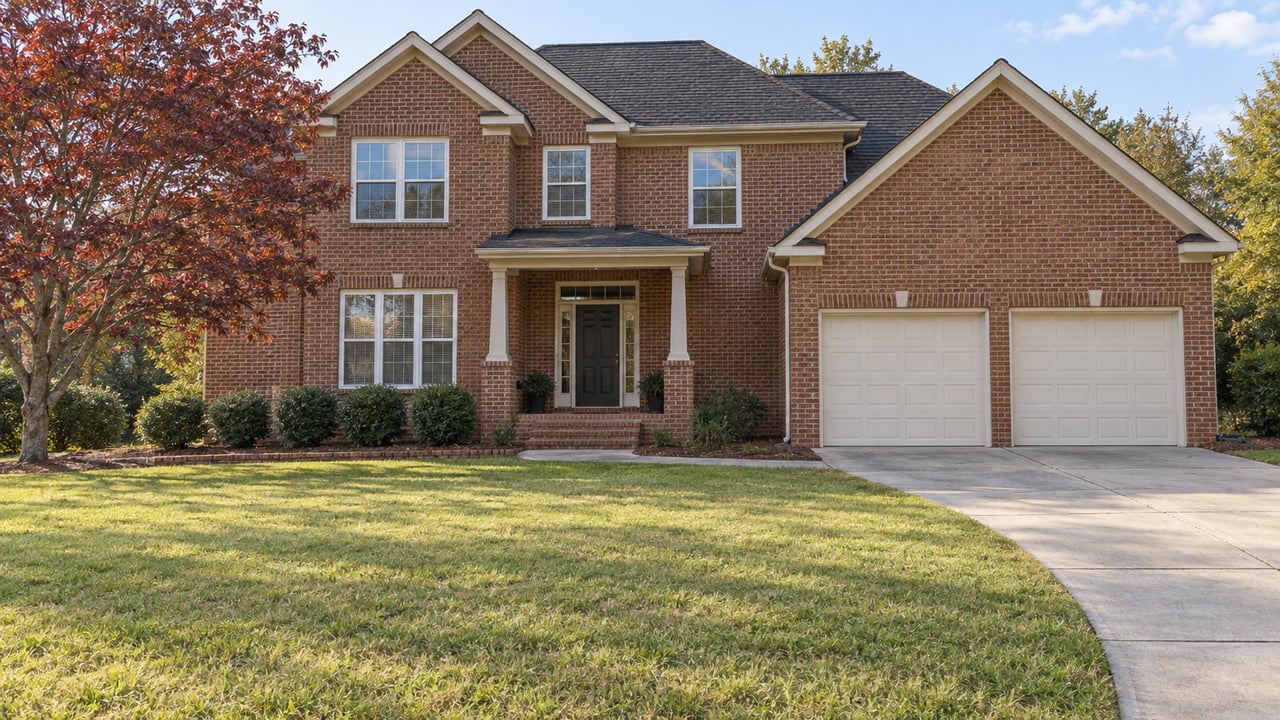
That matters because first-time buyers in Covington are not shopping in just one price band or one property type. Recent listings have included homes around $230,000, others near $307,000, and newer homes around $389,000 to $400,000. Inventory has also included condos, townhomes, and even multifamily options, so your first purchase does not have to be a detached single-family home.
You may also come across area names like North Covington Historic District, Covington Historic District, and Clark's Grove during your search. These can be useful reference points as you narrow your options, but your best fit will depend on your budget, commute, property preferences, and long-term plans.
Step 1: Build your budget
Your home search should start with your monthly budget, not with a favorite listing. A mortgage payment is only one part of the full cost of ownership, and first-time buyers sometimes underestimate what the total monthly payment will include.
Your full housing payment may include:
- Mortgage principal and interest
- Property taxes
- Homeowner's insurance
- Mortgage insurance, if required
- Flood insurance or other supplemental insurance, if needed
- HOA dues, if the property has them
In many cases, buyers need at least 3% down, though some loan options work differently. The key is to look at the full payment, not just the sale price, so you can shop with confidence and avoid stretching too far.
Step 2: Get preapproved early
Once you have a working budget, your next move is getting preapproved. This gives you a clearer idea of how much you may be able to borrow, what loan terms may be available, and what monthly payment range makes sense for you.
A smart approach is to ask at least three lenders for preapproval and compare at least three loan offers. That comparison can help you spot differences in interest rates, fees, loan structure, and cash needed to close.
Preapproval also helps when you are ready to make an offer. In a market like Covington, where buyers may be looking at everything from starter homes to newer construction, being financially prepared can make the process much smoother.
Step 3: Choose the right loan type
Not every first-time buyer uses the same financing. In Covington, several loan types may be worth exploring depending on your finances, down payment, and the kind of property you want.
Here is a simple overview:
| Loan type | May be a fit if | Key note |
|---|---|---|
| Conventional | You have 5% or more down | Common option for many buyers |
| FHA | You have a smaller down payment | Often considered by first-time buyers |
| USDA | You are buying an eligible rural property | May offer 100% financing for eligible buyers |
| Georgia Dream | You meet state program requirements | Can pair affordable financing with down payment help |
For many Covington buyers, Georgia Dream is especially worth a look. The Georgia Department of Community Affairs says the program's first-time-buyer option allows a maximum home sales price up to $550,000, which is above many current Covington price points.
That does not mean everyone will qualify. Buyers still need to meet income, credit, asset, and education requirements. But because many local homes fall below the current sales price cap, the program may be relevant for a wide range of first-time buyers in the area.
Step 4: Look into Georgia Dream assistance
If you are worried about down payment funds, Georgia Dream may offer meaningful help. The program includes down payment assistance as a 0% interest loan with no monthly payment.
There are important details to understand. The second mortgage becomes due when the home is sold, refinanced, or no longer used as your primary residence. To receive the assistance, you also need to contribute at least $1,000 of your own money or documented gift funds toward the purchase.
The program is offered through participating lenders, not directly through the state. It also requires homebuyer education through a HUD-approved counseling agency or an approved online course. For many first-time buyers, that education can be helpful because it sets clear expectations before the transaction moves too far.
Step 5: Start house hunting with priorities
Once financing is underway, you can begin your search with more focus. This is where many first-time buyers get tempted to lead with emotion, but it helps to keep your priorities front and center.
Start with what matters most to you, such as:
- Monthly payment comfort
- Property type
- Number of bedrooms and bathrooms
- Yard size or acreage needs
- Commute and day-to-day convenience
- Whether you want newer construction, an established area, or something in between
Covington gives you a mix of choices. You may find a more entry-level home, a townhome, a condo, or a larger newer property depending on your range. If you are looking at semi-rural or acreage properties around Covington and Newton County, your checklist may also need to include well, septic, and land-use questions.
Step 6: Write an offer with contingencies
When you find a home you love, enthusiasm matters, but protection matters more. A strong first offer should not skip the safeguards that help protect you during the purchase process.
Buyers are commonly advised to include contingencies for financing and a satisfactory inspection. Those contingencies can give you options if the loan does not come together as expected or if the inspection reveals serious issues.
This is one of the biggest first-time buyer mistakes to avoid. If you waive protections too quickly, you may lose important leverage or take on risks you did not plan for.
Step 7: Schedule the inspection quickly
Once you are under contract, move quickly on the inspection. The inspection and the appraisal are not the same thing, and it is important to understand the difference.
The inspection looks at the home's physical condition. The appraisal helps the lender determine the home's value for lending purposes. In most transactions, you will need both.
If the inspection reveals major concerns and your contract includes the right contingencies, you may have room to negotiate or change course. That is why the inspection is such a critical step for first-time buyers.
Special note for acreage and rural-edge homes
If you are buying a property with more land, especially on the rural edge of Covington or in surrounding parts of Newton County, do not overlook septic and well due diligence. Septic inspections are a vital step before purchase, and private wells are not regulated by public officials in the same way as municipal water systems.
Well water should be tested regularly, and septic systems need ongoing maintenance. If you are considering a mini-farm, acreage property, or a home outside more typical subdivision patterns, this extra diligence is especially important.
Step 8: Review your loan documents carefully
As you move toward closing, your Loan Estimate becomes one of your most useful tools. It helps you compare loan terms, monthly payment details, estimated taxes and insurance, closing costs, and the cash you will need to bring to closing.
Later, you should receive the Closing Disclosure at least three business days before closing. Use that time to review the numbers closely and ask questions if anything looks different from what you expected.
Buyers generally pay the transaction's closing costs, though seller credits or lender credits may offset some of those expenses. You may also be able to reduce costs by comparing title and settlement service providers where allowed.
Step 9: Plan for taxes after closing
Your housing costs do not end when you get the keys. In Newton County, property taxes and exemptions can affect your long-term ownership costs.
Georgia says homestead exemptions are filed in the county where the home is located, and the application must be submitted by April 1 to apply for the current tax year. Newton County says the standard homestead exemption reduces taxable value by $4,000 on county and school levies for a primary residence, and it usually only needs to be filed once unless ownership or residency changes.
Newton County also says House Bill 581 took effect January 1, 2025, and the county did not opt out. For owner-occupants, that means current county homestead rules may influence future tax bills, so it is worth keeping on your radar after you buy.
Common first-time buyer mistakes to avoid
Even a solid plan can get off track if you miss the basics. A few issues come up again and again for first-time buyers.
Watch out for these common mistakes:
- Shopping before setting a real budget
- Comparing too few lenders
- Focusing only on price instead of total monthly cost
- Confusing the inspection with the appraisal
- Skipping financing or inspection contingencies
- Waiting too long to compare closing-service providers
- Overlooking well and septic checks on rural properties
The goal is not perfection. It is making informed decisions at each step so you can protect your budget and avoid unpleasant surprises.
Why local guidance matters in Covington
Every market has its own pace, price points, and property quirks. In Covington, that can mean understanding the difference between a neighborhood home, a newer subdivision property, and a semi-rural home with acreage.
For a first-time buyer, that local context matters. You want practical advice, honest communication, and someone who understands both the day-to-day market and the extra details that can come with Newton County properties.
If you are getting ready to buy your first home in Covington, working with a local professional can help you sort through options, stay grounded in your budget, and move through each step with less stress. When you are ready for straightforward guidance and local insight, reach out to Lorraine Krieger.
FAQs
What price range should first-time buyers expect in Covington, GA?
- Current public market snapshots suggest many Covington buyers are shopping roughly from the high-$200,000s to the mid-$300,000s, though exact figures vary by source and by whether the number reflects list price, sale price, or home value estimates.
What loan options may work for first-time buyers in Covington, GA?
- Depending on your finances and the property, you may want to explore conventional, FHA, USDA, and Georgia Dream loan options.
What is the Georgia Dream program for Georgia homebuyers?
- Georgia Dream is a state program that offers affordable mortgage financing for eligible buyers, and it may also provide down payment assistance through a 0% interest loan with no monthly payment.
Do Covington, GA first-time buyers need a home inspection?
- A home inspection is strongly recommended because it evaluates the home's condition, which is different from an appraisal that supports the lender's value decision.
What should buyers know about acreage homes near Covington, GA?
- If you are buying a home with land or in a semi-rural area, you should pay close attention to septic inspection needs and private well testing as part of your due diligence.
How do homestead exemptions work in Newton County, GA?
- For a primary residence, Newton County says the standard homestead exemption reduces taxable value by $4,000 on county and school levies, and applications must be filed by April 1 for the current tax year.