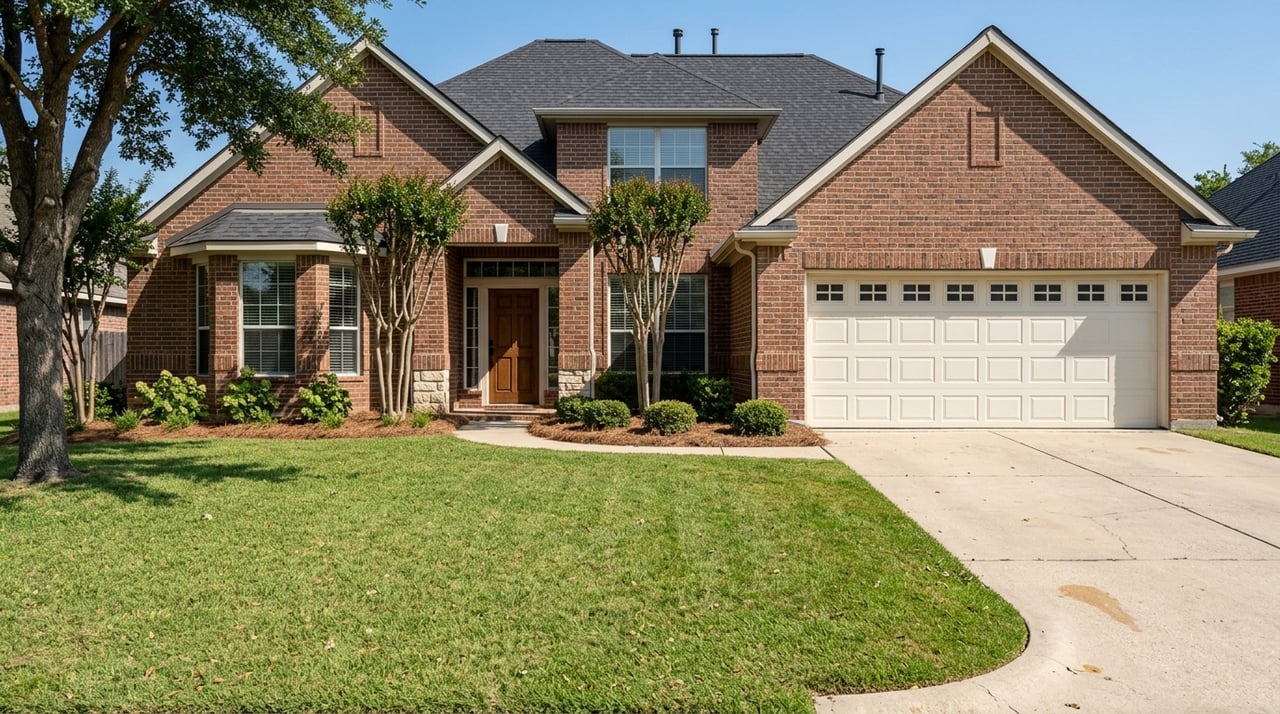
Looking for a family home in Monroe, GA can feel simple at first, until you realize how much variety is packed into one market. You may be comparing an older in-town home near downtown, a newer subdivision with more square footage, or a property with acreage and a septic system just minutes from town. The good news is that Monroe gives you real options if you know what to compare first. Let’s dive in.
Why Monroe Appeals to Family Buyers
Monroe offers a mix of everyday convenience and room to choose the kind of home that fits your routine. The city sits in Walton County about 45 miles east of Atlanta, along US 78 and GA 138, which makes route access an important part of the home search.
Beyond location, Monroe has a lot of practical appeal for daily life. The city highlights downtown events, shopping, dining, arts groups, the library, parks, trails, lakes, ball fields, soccer fields, tennis courts, and broadband service through Monroe Utilities. For many buyers, that means your decision is not just about the house itself, but also about how smoothly your week will run.
Walton County also has a younger population mix that matters for buyers planning around school-age needs. County data notes that 28.4% of residents are under 18, which helps explain why school assignment, yard space, and after-school convenience come up so often in Monroe home searches.
Start With Your Real Priorities
The biggest mistake many buyers make is searching Monroe as if every part of the city offers the same lifestyle. It does not. Monroe includes historic in-town homes, near-downtown neighborhoods, newer construction communities, and acreage properties, and each one solves a different problem.
Before you start touring homes, narrow your must-haves into a short list. In Monroe, the most useful filters are:
- Exact school attendance zone by property address
- Lot size and yard maintenance needs
- Commute route and drive pattern
- Home age and renovation tolerance
- HOA or no-HOA preference
- Utility setup, including city utilities or septic
When you use these filters early, you save time and avoid falling in love with a home that does not fit your daily life.
Compare Monroe Home Types
Historic In-Town Homes
If you love character, older homes near downtown Monroe may catch your eye first. Areas around South Broad Street and Mill Village are known for late-1800s to early-1900s homes, mature trees, and walkability to downtown restaurants and parks.
That charm often comes with tradeoffs. Sample in-town inventory shows smaller lots, such as around 0.25 acres, and buyers may need to think carefully about parking, storage, and renovation plans. If a home is in one of Monroe’s historic districts, exterior changes may also involve review through the city’s Historic Preservation Commission.
Near-Downtown Neighborhoods
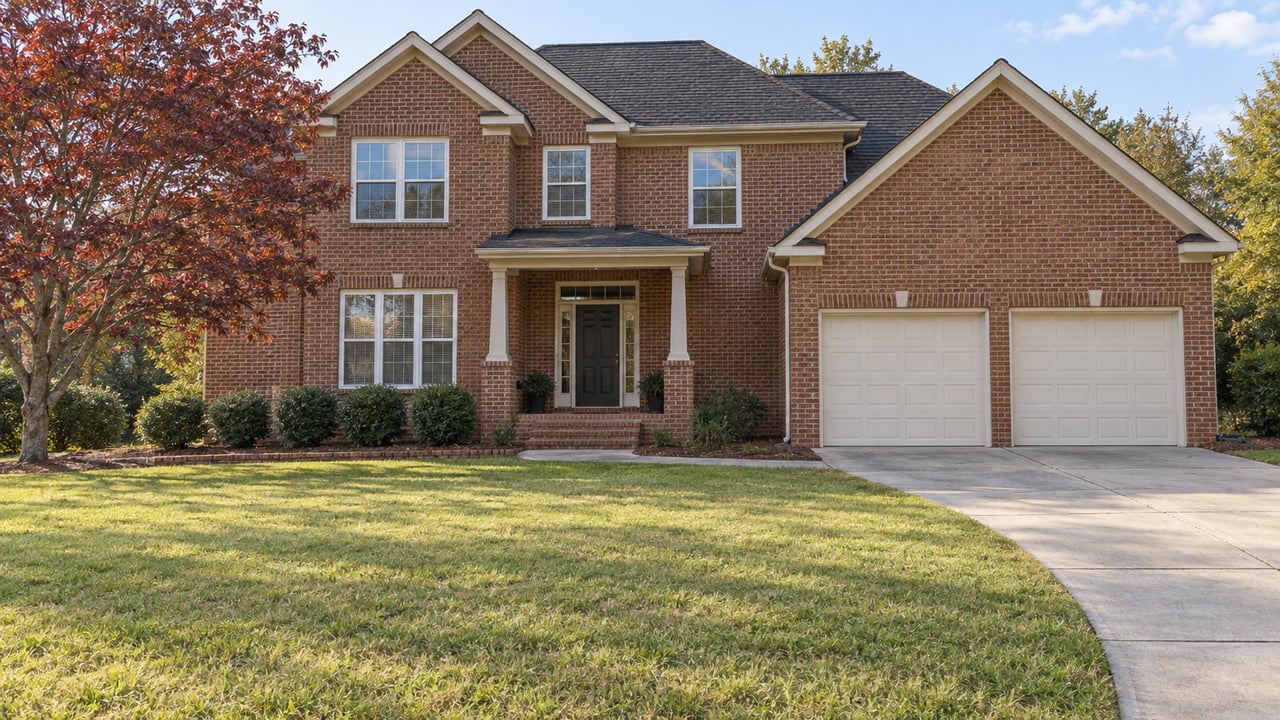
Some buyers want quicker access to downtown without taking on an older home. Near-town neighborhoods can offer a middle ground, with more modern layouts, larger homes, and subdivision-style streets while still keeping you close to Monroe’s core.
Current inventory examples show this segment can include homes built in recent years with around 2,700 square feet on lots around 0.43 acres. That can be a strong fit if you want more space for bedrooms, a home office, or a playroom without moving far from downtown conveniences.
New Construction Communities
Monroe also has new-construction options at several price points. Current community examples range from Brookland Commons, with homes starting in the low-to-mid $300,000s, to Riverwalk, with homes from the upper $400,000s into the low $500,000s and ranch-style plans about 10 minutes from Downtown Monroe.
Other current community types include estate-lot settings and gated options. These neighborhoods can make sense if you want a newer floor plan, lower immediate maintenance, and the chance to choose from move-up features like open kitchens, bonus rooms, and larger garages.
Acreage and No-Subdivision Properties
If your ideal family home includes room to spread out, Monroe has that too. Current examples include homes on 2 acres and land offerings around 5 acres, showing that Monroe is not limited to a typical subdivision search.
This part of the market often attracts buyers who want privacy, flexibility, or more outdoor space. It also brings practical questions to the front, including septic systems, utility access, maintenance needs, and whether you prefer a no-HOA setting.
School Zones Need Address Verification
One of the most important things to understand about Monroe is that it is not one school-zone market. Walton County School District has 15 schools organized into three clusters: Loganville, Monroe Area, and Walnut Grove.
For homes in and around Monroe, the Monroe Area cluster includes Monroe Elementary, Harmony Elementary, Walker Park Elementary, Carver Middle, and Monroe Area High. But that does not mean every Monroe address follows that pattern. The district specifically tells families to confirm attendance zones for the exact residence address.
Current listing examples show why this matters. Some Monroe addresses feed to Walker Park, Carver, and Monroe Area, while others within the broader Monroe market feed to Atha Road, Youth, and Walnut Grove. Even being near downtown or inside city limits does not guarantee the same feeder pattern.
If school assignment is a major part of your decision, verify it by street address before you write an offer. Neighborhood names, zip codes, and online listing summaries are not enough on their own.
Lot Size Changes Your Daily Life
In Monroe, lot size is one of the clearest ways to sort your options. Current examples range from around 0.25 acres in the historic core to 0.43 acres in newer subdivisions, 0.76 acres with older resale homes, 2-acre estate-style properties, and 5-acre land parcels.
That range matters because more land is not always better for every household. A smaller lot may be easier to maintain and put you closer to downtown activity. A larger lot may offer privacy, room for outdoor projects, or space to spread out, but it usually comes with more upkeep.
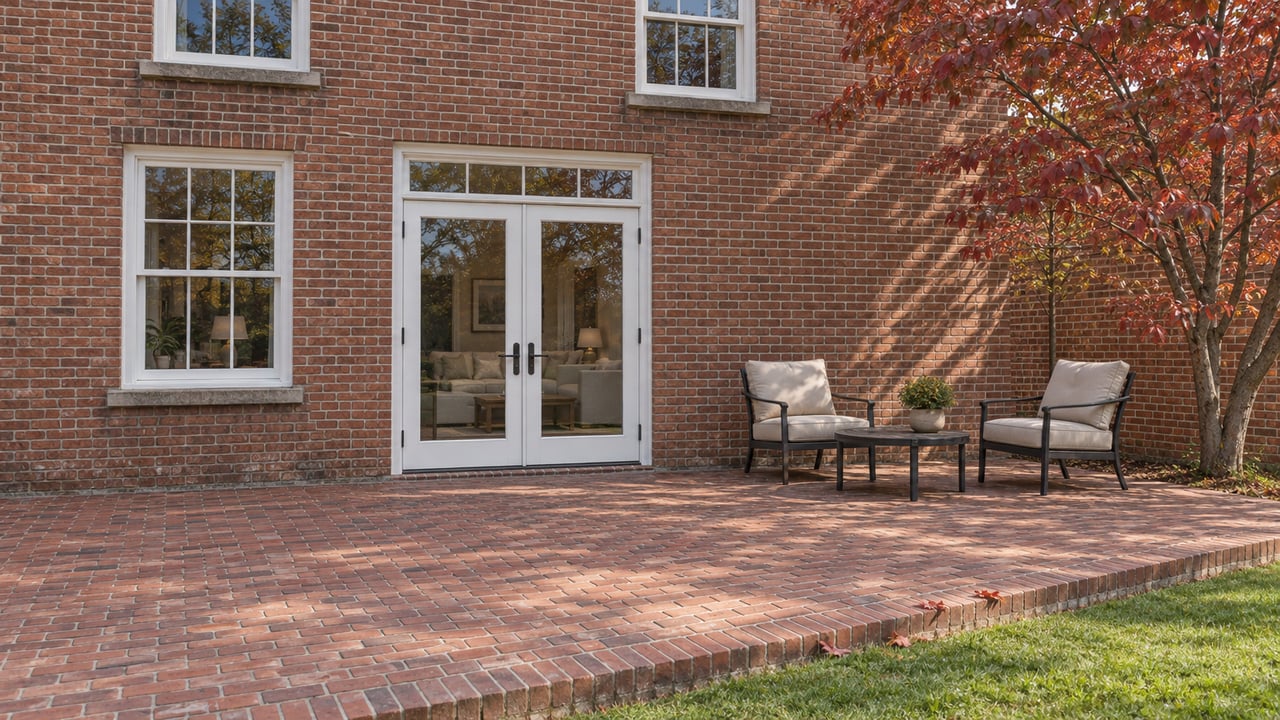
When you tour homes, think beyond the listing photos. Ask yourself how much yard you truly want to maintain, how you plan to use the space, and whether privacy or convenience matters more in your day-to-day routine.
Focus on Features That Fit Your Household
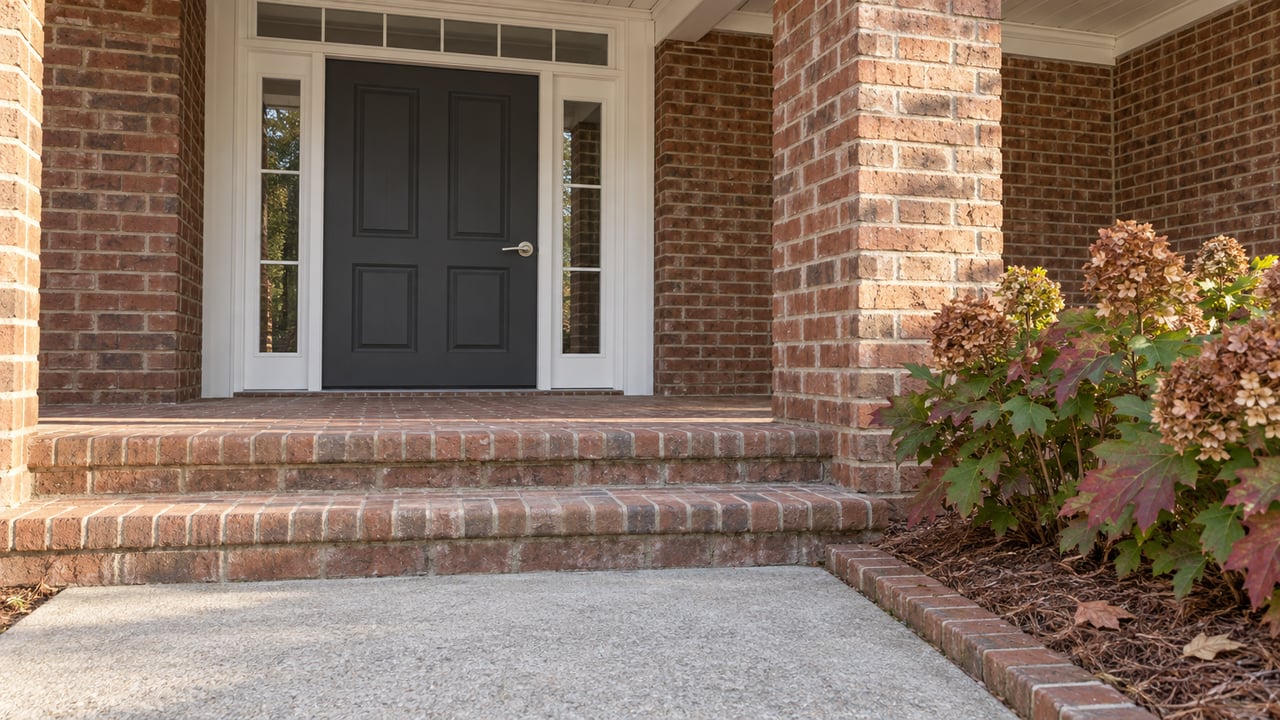
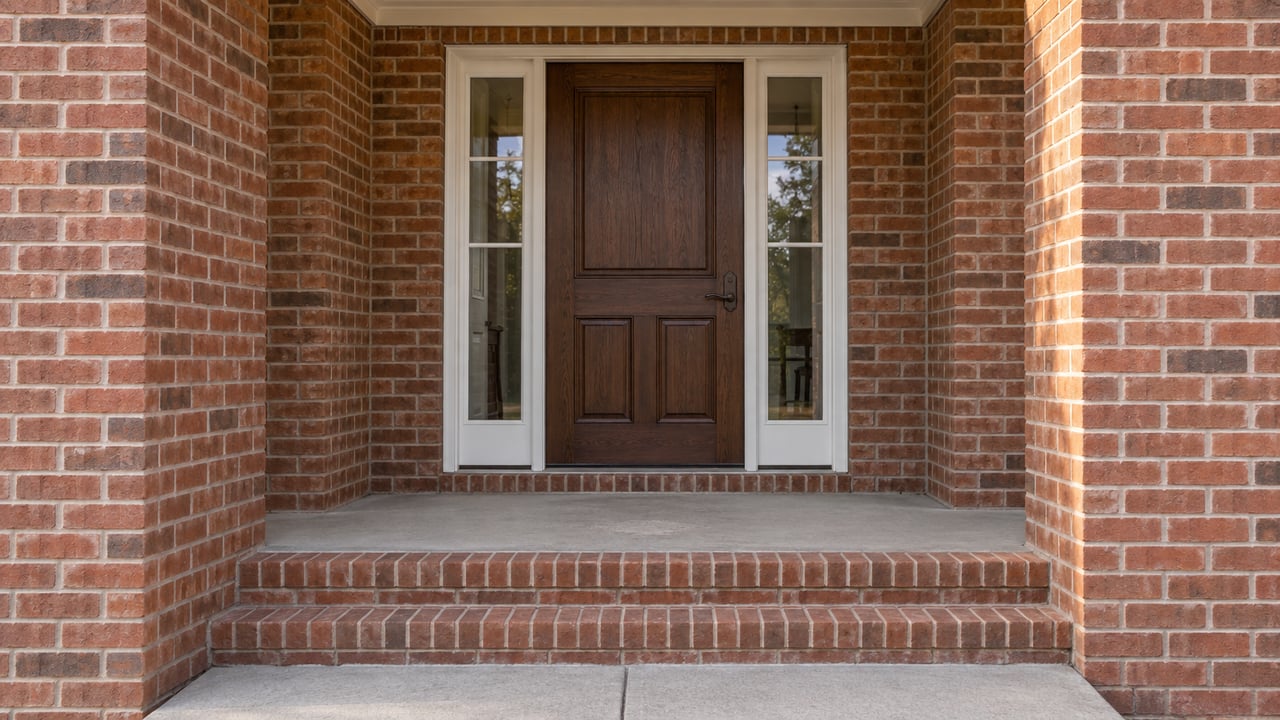
Monroe’s inventory includes a wide mix of features, so it helps to separate exciting extras from features you will use every day. Current listings commonly show brick construction, fireplaces, open kitchens, ranch plans, front porches, bonus rooms or offices, granite counters, stainless appliances, extended garages, and wooded or larger yards.
For some buyers, a master-on-main layout or ranch plan may be the top priority. For others, an office, bonus room, or larger garage may make the biggest difference. If you are buying for long-term use, try to choose features that support your real routine, not just what looks good online.
It is also smart to ask practical questions early. Some homes may have no HOA, some may include pool features, and some acreage or rural-edge properties may rely on septic service instead of city sewer. Those details can affect both your monthly costs and your maintenance expectations.
Think About Utilities and Infrastructure Early
Utility setup can vary more in Monroe than some buyers expect. Monroe Utilities provides water, electricity, gas, sewer, stormwater, trash collection, cable TV, high-speed internet, and voice over internet phone service within the city system.
That can be a real plus if you want predictable local service and strong work-from-home support. At the same time, some properties, especially those with more land, may use septic systems or other setups that should be verified early in the process.
If you are comparing city homes and acreage properties side by side, utility differences should be part of your decision from the beginning. It is much easier to evaluate a home clearly when you know how the property functions day to day.
Price Range in Monroe Is Broad
Monroe does not sit in one narrow price bracket. Market snapshots vary by source and time period, but they all point to a broad market with a healthy range of choices.
Recent market pages show 375 to 448 homes for sale depending on the source, with reported median sale prices ranging from $330,000 to $397,500. Homes.com also reports 3.5 months of supply, while Realtor.com reports a 98% sale-to-list ratio. The practical takeaway is simple: Monroe can work for entry-level buyers, move-up buyers, and buyers looking for estate lots or land.
Current examples support that wide range, with inventory stretching from roughly $259,900 to $1.2 million. That is why your search will go more smoothly when you define your budget together with your preferred lot size, location style, and home type.
A Smart Monroe Home Search Plan
If you want to find the right family home in Monroe, keep your process simple and practical. Start with the factors that most affect daily life, then narrow your options from there.
A strong Monroe home search checklist includes:
- Verify the school assignment by exact address.
- Choose the lot size that matches your lifestyle.
- Decide between historic charm, newer construction, or acreage.
- Review commute routes using US 78, GA 138, and your typical drive pattern.
- Confirm HOA status and utility setup before moving forward.
- Ask whether any historic district rules may affect future exterior changes.
This approach helps you shop with more confidence and less guesswork. It also makes it easier to recognize which homes truly fit your household, instead of getting distracted by features that do not solve your real needs.
Finding the right family home in Monroe is less about chasing the biggest house and more about matching the right address to your daily routine. When you look carefully at school zones, lot size, utility setup, commute routes, and neighborhood style, Monroe becomes much easier to navigate. If you want a local, straightforward guide as you compare homes in Monroe and the surrounding area, reach out to Lorraine Krieger for practical help and honest insight.
FAQs
How do school zones work for homes in Monroe, GA?
- Walton County School District says families should confirm attendance zones by the exact property address, because Monroe addresses can fall into different school clusters.
What types of family homes are available in Monroe, GA?
- Monroe offers historic in-town homes, near-downtown subdivision homes, new-construction communities, and acreage or no-subdivision properties.
What lot sizes can you expect in Monroe, GA?
- Current examples range from about 0.25-acre in-town lots to 0.43-acre subdivision lots, 0.76-acre resale lots, and larger 2-acre to 5-acre properties.
Are there newer homes in Monroe, GA for families?
- Yes. Current community examples show new-construction and move-up options with features like open floor plans, ranch layouts, bonus rooms, and larger lots.
What should buyers check before buying acreage in Monroe, GA?
- Buyers should confirm utility setup, including whether the property uses city services or septic, and also review lot maintenance, HOA status, and commute needs.
Do older Monroe, GA homes have special renovation rules?
- Some older in-town homes may fall within Monroe historic districts, where exterior changes can involve review through the city’s Historic Preservation Commission.