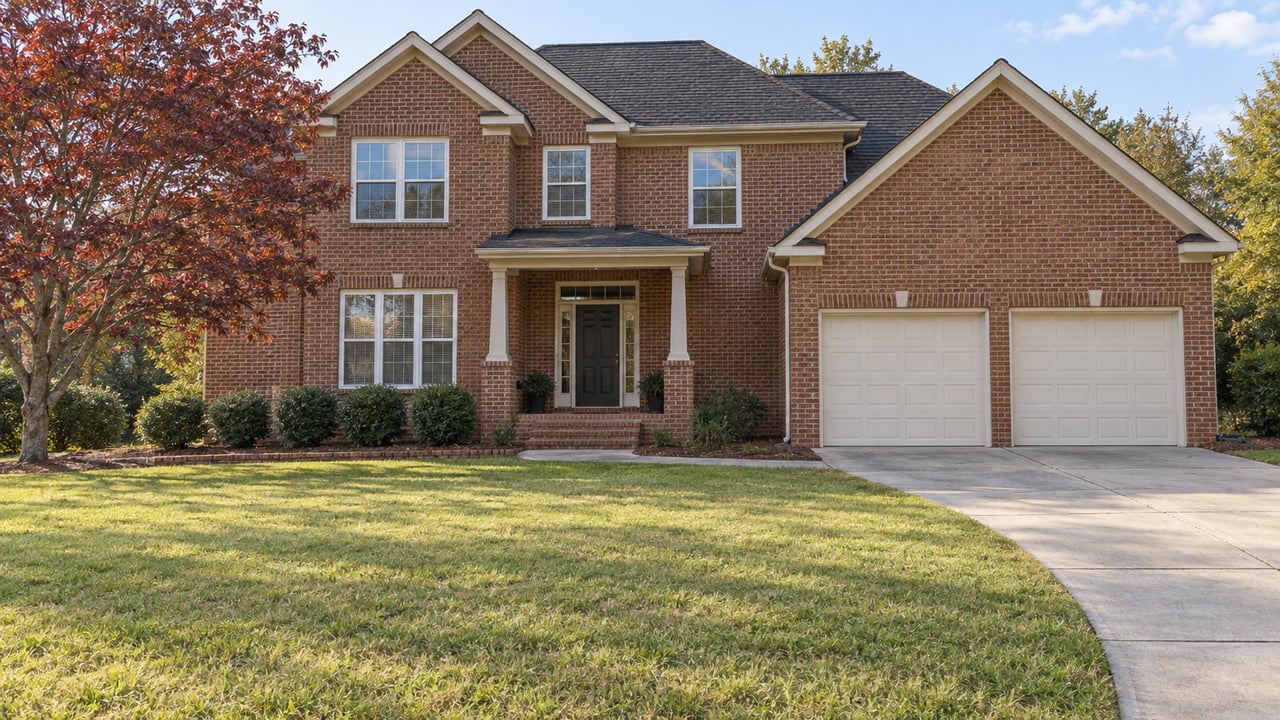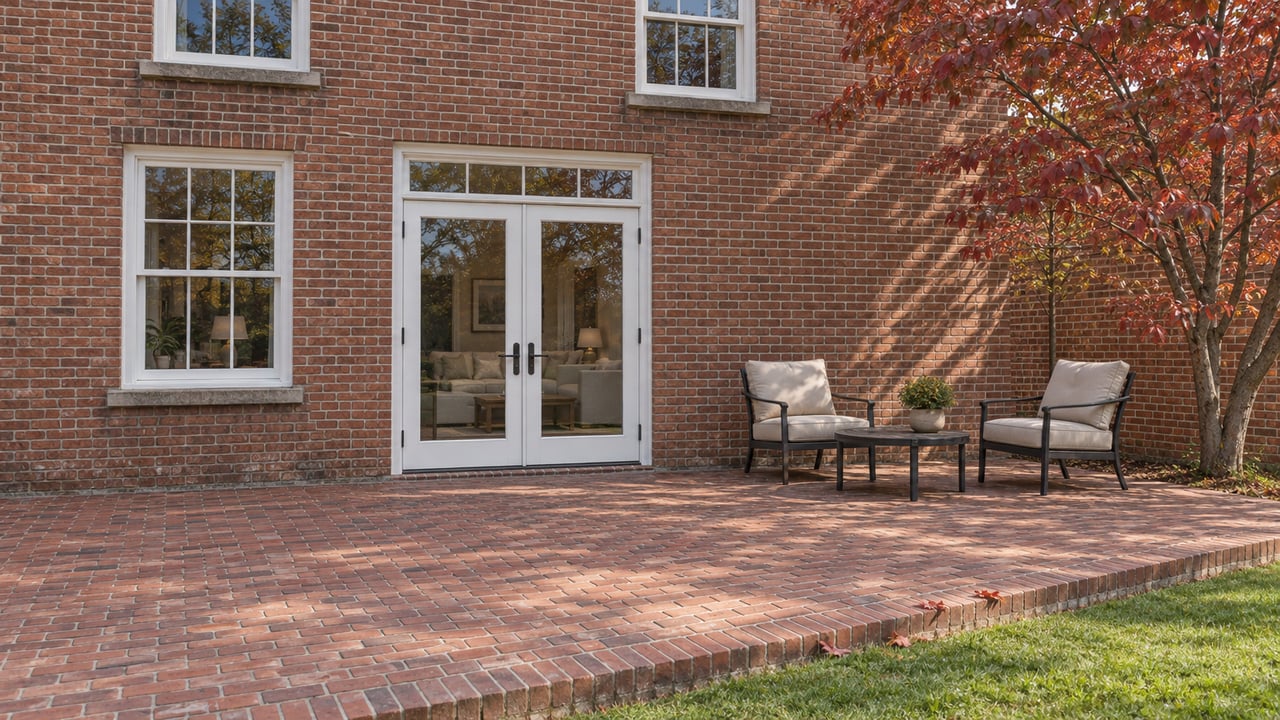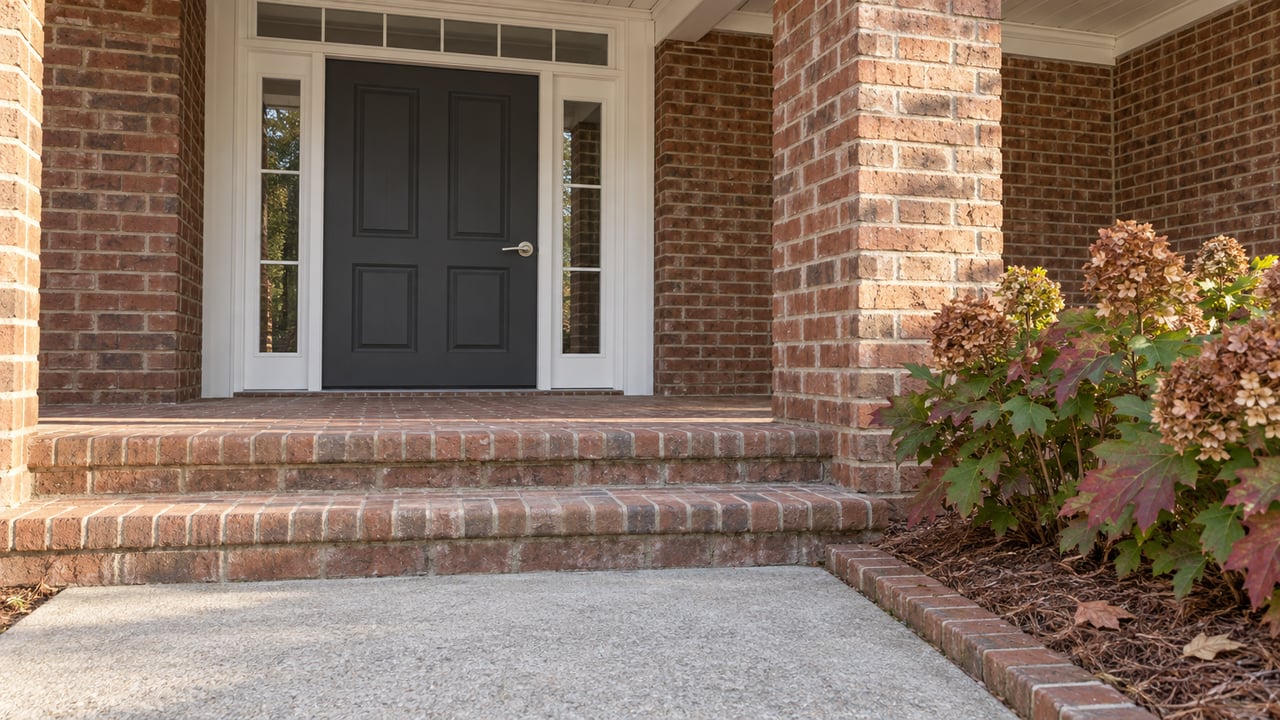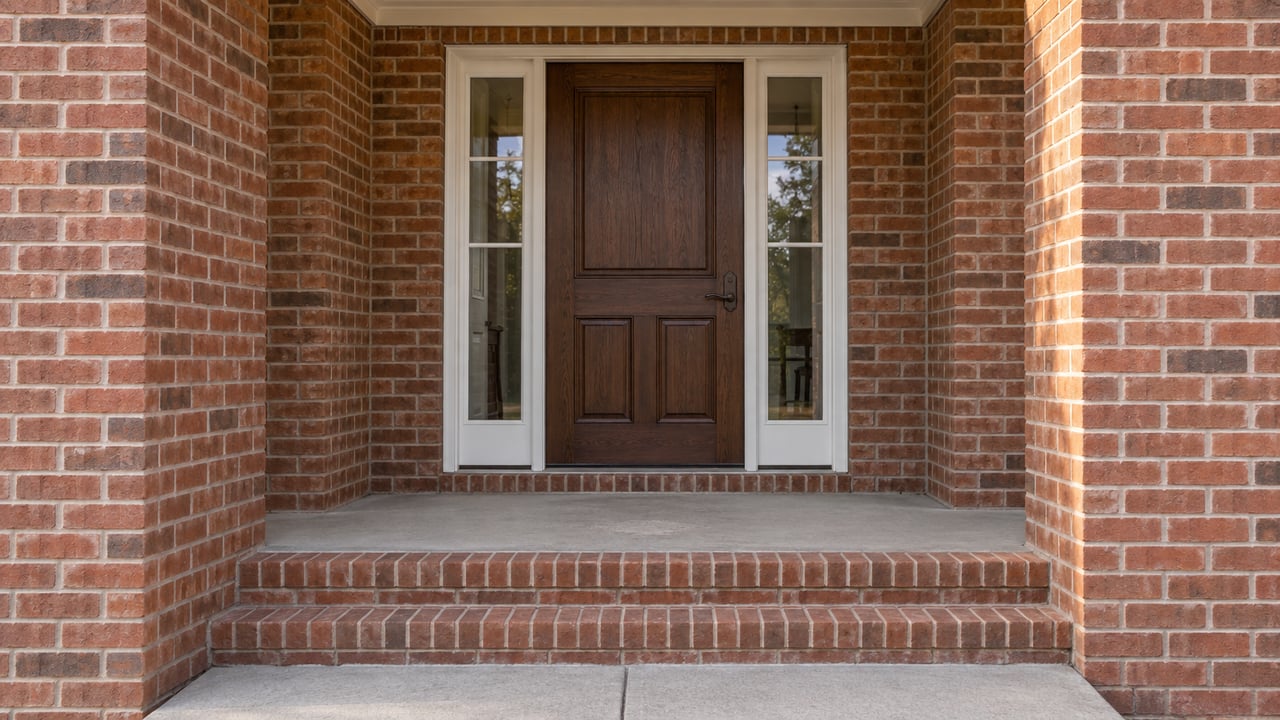
If you’re thinking about selling, one question matters more than almost anything else: What should your Monroe home be priced at right now? It’s easy to look at a citywide average or copy a nearby listing, but today’s Monroe market is not that simple. With more choices for buyers, higher mortgage rates, and a noticeable gap between list prices and sold prices, confident pricing comes from local strategy, not guesswork. Let’s dive in.
Monroe pricing starts with today’s market
Monroe is better described as a balanced to somewhat competitive market than a runaway seller’s market. Recent city data show median days on market ranging from 38 to 57 days, with homes generally selling around 2% below list price and a sale-to-list ratio near 99%. That tells you homes are still selling, but buyers are paying attention and negotiating.
Inventory also matters. Realtor.com reports 473 active listings in Monroe, and listing counts were up 12.63% year over year. When buyers have more options, pricing becomes one of the biggest factors in how quickly your home gets noticed.
At the county level, Walton County shows a similar pattern. There were 1,048 active listings, a median sold price of $374,876, and 58 days on market, while 22.3% of homes had price drops. That mix suggests a clear message for sellers: well-priced homes can still compete, but overpriced homes often need corrections.
Why city averages can mislead you
A headline number can be useful for context, but it should never be your pricing plan. Monroe’s recent market data vary by source, with one median sold figure around $324,806 and another around $374,000. The real takeaway is not which number is “right,” but that averages alone do not tell the full story.
Your home does not compete with every property in Monroe. It competes with homes that are similar in location, lot profile, age, condition, and features. That is why a property-specific comparative market analysis matters much more than a citywide median.
There is also a big difference between what sellers hope to get and what buyers are actually paying. Realtor.com shows a Monroe median listing price of $499,900 compared with a median sold price of $374,000. That spread is a reminder that active listings are not proof of value. Closed sales are.
Zip code can change the pricing picture
Even within Monroe, pricing can shift depending on where the home sits. Recent data show a median listing price of $399,631 in 30655 and $549,900 in 30656. Days on market were similar, but inventory and price expectations were not identical.
That means pricing your home by using “Monroe” as one broad category can lead you off course. A home in one part of Monroe may attract a very different buyer than a home in another part of town. The strongest pricing strategy looks at your immediate micro-market first.
What should drive your list price
A confident list price should come from comparable sales, then be adjusted based on the details of your property. Industry guidance in the research report points to factors like square footage, bedrooms, bathrooms, amenities, condition, and current market conditions. In Monroe, those basics matter, but so do land use and property type.
If your home has acreage, a well, septic, outbuildings, or a mini-farm setup, those details need to be handled carefully. They can affect buyer demand, but they do not automatically push value up in a simple way. The right buyer may love those features, but your home still has to be measured against similar sold properties.
Here are some of the biggest pricing drivers in Monroe:
- Recent closed sales in your immediate area
- Lot size and how usable the land is
- Home condition and level of updates
- Age and style of the property
- Features like garages, outbuildings, or gated settings
- Whether the property is in-town, suburban, or more rural
- Current buyer demand and competing inventory
Acreage does not automatically equal a higher price
This is one of the biggest pricing mistakes sellers can make in Walton County and surrounding areas. More land can be valuable, but acreage by itself does not set price. Buyers look at how the full property compares to other realistic options.
Recent Monroe sold examples show just how wide the pricing range can be. A 7.68-acre property with an older single-wide sold for $180,000, while a renovated 3-bedroom brick home on a 1-acre lot near downtown sold for $253,440, and a gated-community estate sold for $882,000. Those properties are not interchangeable, and they show why land alone is not the story.
If you own a mini-farm, acreage tract, or semi-rural home, pricing needs extra care. Condition, layout, access, improvements, and how buyers typically use the land all matter alongside the house itself.
Why buyers are more price-sensitive now
Mortgage rates continue to shape what buyers can afford. Freddie Mac reported the average 30-year fixed rate at 6.49% on July 9, 2026. When rates stay in the mid-6% range, many buyers become more payment-conscious, even if they still want to move.
That affects your pricing strategy in a practical way. If your home is priced too high, buyers may skip it because the monthly payment no longer fits their budget. A strong price can help your home stand out early, when interest is usually highest.
Monroe’s buyer pool also appears to be heavily local or regional. Redfin reported that 84% of Monroe homebuyers searched to stay within the Monroe metro area, while only 2% came from outside metros during the period studied. There is some relocation interest, but your pricing still needs to match what nearby buyers can realistically pay.
Is Monroe still a seller’s market?
Monroe still has selling opportunities, but it is not a market where you can ignore precision. Some homes do receive multiple offers, and hot homes can go pending in around 23 days. At the same time, average results show homes selling slightly below asking price, not dramatically above it.
That means the answer is balanced. If your home is clean, well-prepared, and priced close to market, you can still attract serious interest. If it is overpriced, buyers often move on and wait for a reduction.
Signs your home may be priced too high
Sometimes the market gives quick feedback. If your listing launches and activity feels soft, pricing may be part of the problem. In a market where buyers have choices, early response matters.
Watch for these common warning signs:
- Very few showings in the first couple of weeks
- Lots of online views but little in-person interest
- Repeated comments that the home feels high for the area
- Comparable homes going under contract while yours sits
- Buyer interest followed by weak or cautious offers
A price that is just a little too high can still cost you momentum. Many sellers assume they can “leave room to negotiate,” but in Monroe’s current market, pricing too far above likely value can reduce attention before negotiations even begin.
How to price confidently from day one
The best pricing strategy is not about chasing the highest number. It is about finding the number that makes sense for your property and today’s buyer pool. That usually starts with recent closed sales, then adjusts for what makes your home different.
A smart Monroe pricing approach should include:
- Reviewing recent sold homes, not just active listings
- Narrowing the search to truly similar properties
- Adjusting for condition, updates, acreage, and location
- Looking at current competition in your price range
- Accounting for local buyer affordability and negotiation trends
This matters even more in a market where data sources do not produce identical medians. When market headlines vary, local property analysis becomes even more important.
Why local experience matters in Monroe
Monroe has enough variety that broad averages can miss the mark. In-town homes, suburban homes, mini-farms, and acreage properties do not all move the same way. That is why local knowledge matters when you are deciding where to price.
A hands-on agent who understands Walton County and the surrounding market can help you separate meaningful comps from misleading ones. That is especially helpful when your property has rural or land-related features that do not fit neatly into an online estimate.
If you want to price your Monroe home with more clarity and less stress, a personalized market analysis is the best place to start. Lorraine Krieger offers straightforward local guidance, practical pricing insight, and the kind of hands-on support that helps you move forward with confidence.
FAQs
How should I price my Monroe GA home in today’s market?
- Start with recent comparable sold homes in your immediate area, then adjust for your home’s condition, size, lot, and features instead of relying on citywide averages or active listing prices.
Is Monroe GA a seller’s market right now?
- Monroe appears balanced to somewhat competitive, with some multiple-offer activity but also negotiation room, longer market times than peak seller periods, and homes often selling slightly below list price.
Do active listing prices show what my Monroe home is worth?
- No. Active listings show what sellers are asking, while closed sales show what buyers actually paid, which is usually the better guide for pricing.
Does acreage always increase a home’s value in Monroe GA?
- No. Acreage can affect value, but condition, usable land, improvements, location, and property type all matter, so more land does not automatically mean a higher price.
How can I tell if my Monroe GA home is overpriced?
- Common signs include low showing activity, strong online views without in-person traffic, competing homes going pending first, and buyer feedback that the price feels high for the property or area.