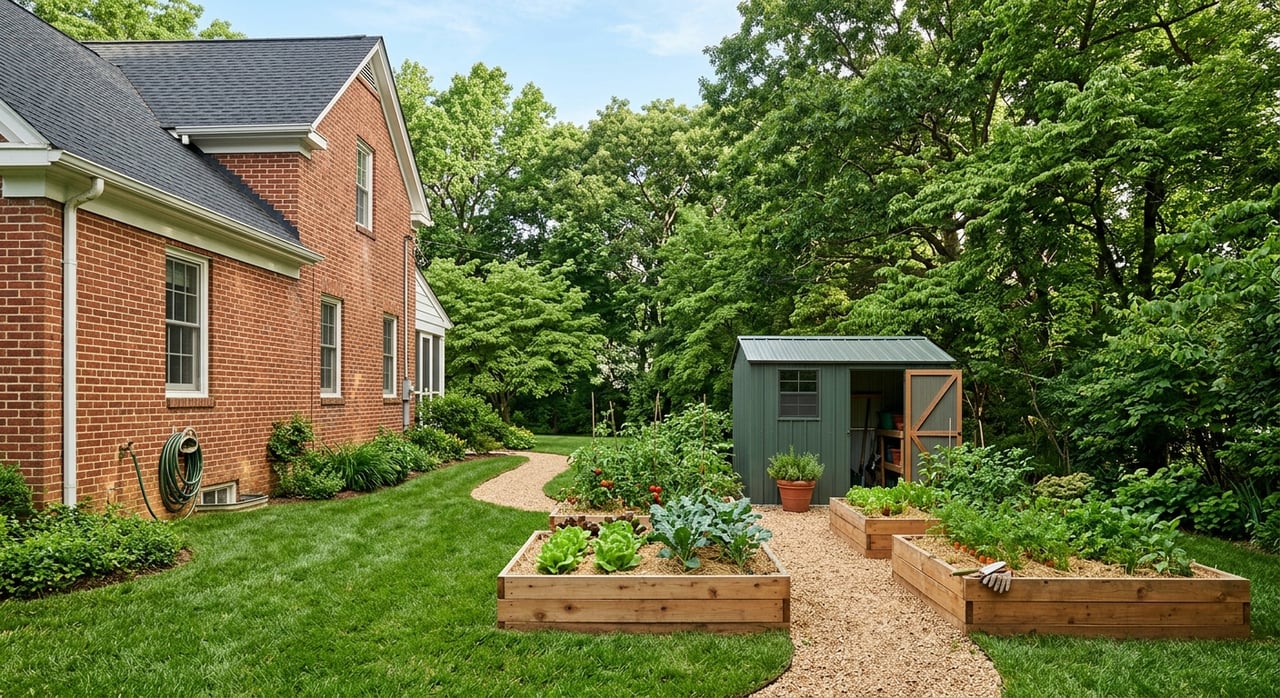
Ever dream about having a little more land without giving up the convenience of town? That is the appeal of mini-farm living near Monroe, GA. If you are picturing a few garden beds, room for animals, and space to breathe, it helps to know what daily life really involves before you buy. Let’s dive in.
Why Monroe Fits Mini-Farm Living
Near Monroe, mini-farm life is often a balance between space and convenience. You can enjoy a more rural setting while still staying connected to downtown Monroe, local shopping and dining, community events, and a wide range of antique markets.
That matters because mini-farm living here usually does not feel totally remote. In many cases, you are trading a tighter neighborhood lot for acreage, tree lines, and a more flexible layout, not disappearing far from everyday needs.
What Daily Life Really Looks Like
A mini-farm changes your routine in practical ways. Instead of just handling basic home upkeep, you may also spend time mowing larger areas, checking fence lines, watering plants, pulling weeds, hauling brush, and cleaning coops or pens.
Storms can add another layer of work. After heavy rain or wind, you may need to clear limbs, repair fencing, or deal with soggy ground and drainage issues. On small acreage, the land itself becomes part of your regular to-do list.
This lifestyle can be rewarding, but it works best when you enjoy hands-on projects. If you like the idea of caring for a property over time, mini-farm living near Monroe can feel productive and peaceful.
Gardening Is Often Part of the Lifestyle
For many buyers, the garden is the heart of a mini-farm. The local culture around Monroe supports that interest, with a community garden at Pilot Park and The Monroe Market focused on farmers, growers, and artisan vendors.
If you want to grow vegetables, the site matters as much as your effort. UGA recommends choosing a spot with 8 to 10 hours of sun and enough slope for drainage without causing erosion problems.
On a mini-farm, that can take some planning. A sunny patch may also compete with tree shade, septic areas, driveways, or pasture space, so the best garden location is not always obvious at first glance.
Your Land Has Microclimates
One of the biggest surprises on acreage is how much conditions can change across one property. UGA notes that plant success in Georgia depends on heat, humidity, rainfall, and small differences in sun, wind, and moisture.
That means one area near a fence line may stay protected, while another spot near a low area may hold extra moisture. A sunny wall, tree cover, or open field can all affect what grows well and what struggles.
For you as a buyer, this means the land deserves a close look. A property may have enough acreage on paper, but the usable and productive parts of that acreage can vary a lot.
Zoning Matters More Than Buyers Expect
Mini-farm buyers often focus first on the house, barn, or pasture. Just as important is whether the property zoning supports the way you want to use the land.
In Walton County, the Agricultural district is intended primarily for rural and farm operations, including crops, livestock, fowl, and timber. That usually makes county acreage a better fit if you want a more traditional hobby-farm setup.
Inside Monroe city limits, the rules are different. Accessory buildings must be in side or rear yards, cannot exceed 25 feet in height, and must be set back at least 5 feet from lot lines.
The city also treats horses and livestock as district-specific uses. So if you are thinking about a barn, coop, goat area, or riding space, you need to verify the exact zoning for that parcel before you assume the property will work for your plans.
What Chicken and Livestock Rules Can Mean
Some buyers want only a few hens and a garden. Others want more room for hoofed animals or a broader hobby-farm setup. Near Monroe, the details matter.
Walton County allows limited chicken keeping in certain agricultural settings, including platted subdivisions in A, A1, and A2 and some small lots in A1 and A2. The county caps flocks at six chickens, prohibits roosters, requires clean enclosures, and requires the structure to be at least 25 feet from side and rear property lines.
Outside the Agricultural district, Walton County also limits large hoofed livestock to two animals per fenced acre. These kinds of rules can shape whether a property supports your goals now and later.
Wells, Septic, and Infrastructure Count
Mini-farm living is not just about open land. It is also about how the property functions behind the scenes.
Some Monroe properties benefit from broad utility access. The city utility department offers electric, cable TV, broadband internet, VoIP phone service, natural gas, water, and wastewater services, and the city also lists stormwater, trash collection, and recycling.
Outside city service areas, private systems become more important. Walton County code notes that developers should consider groundwater wells where public water is unavailable, and if septic is proposed, soil survey data and county health department compliance are required.
Georgia DPH states that a well should be at least 50 feet from a septic tank and 100 feet from a septic absorption field. For you, that means layout matters. The placement of a house, well, drain field, driveway, and outbuildings can all affect how useful the land really is.
Mini-Farm Life Still Includes Town Life
One reason buyers are drawn to Monroe is that acreage does not have to mean isolation. You can enjoy more room at home and still have nearby places to spend your time.
Childers Park offers walking trails and a dog park. Town Green serves as a downtown event space and includes splash-pad activity during the warm season. The city also promotes a historic walking tour with 27 stops around town.
That mix of rural feel and town access is a big part of the lifestyle. You may spend the morning checking a garden or mowing a field, then head into Monroe for errands, events, or a relaxed evening downtown.
Who Enjoys This Lifestyle Most
Mini-farm living near Monroe often appeals to buyers who want a little more independence and flexibility. You may be looking for room to garden, keep a few animals, build useful outbuildings, or simply enjoy more privacy than a standard neighborhood lot can offer.
It can also be a strong fit if you are comfortable with property maintenance. The reward is space that can support your hobbies and routines, but that space usually asks more from you in return.
If you want the feel of country living without being too far from everyday amenities, Monroe can offer that middle ground. The key is finding a property that matches both your lifestyle and the local rules.
What to Look for Before You Buy
Before you make an offer on a mini-farm near Monroe, it helps to look beyond the listing photos. Focus on how the land works day to day.
Here are a few smart questions to ask:
- What is the current zoning of the property?
- Are animals allowed under that zoning, and if so, what limits apply?
- Where are the septic system and possible drain field areas?
- Is public water available, or will you rely on a well?
- Where could a barn, coop, shed, or garden realistically go?
- How much of the land is open, sunny, and usable?
- How does water move across the property after rain?
These questions can help you avoid surprises. They also help you compare properties based on function, not just appearance.
If you are exploring mini-farms near Monroe and want practical guidance on acreage, zoning, wells, septic, and everyday livability, Lorraine Krieger can help you sort through the details and find a property that truly fits your goals.
FAQs
What is daily life like on a mini-farm near Monroe, GA?
- Daily life often includes mowing acreage, maintaining fences and gates, watering plants, managing weeds, clearing brush, cleaning animal areas, and handling storm cleanup, along with regular home maintenance.
What makes Monroe, GA appealing for mini-farm buyers?
- Monroe offers a blend of rural space and small-town convenience, with access to downtown events, local shopping and dining, parks, a community garden, and other amenities.
What should buyers know about zoning for mini-farms near Monroe?
- Buyers should verify the exact parcel zoning because county and city rules differ, especially for livestock, accessory buildings, coops, barns, and other land uses.
What are the chicken rules in Walton County, GA?
- In certain agricultural settings, Walton County allows up to six chickens, prohibits roosters, requires clean enclosures, and requires chicken structures to be at least 25 feet from side and rear property lines.
What should buyers know about wells and septic on acreage near Monroe?
- Buyers should pay close attention to property layout, soil, and compliance because well and septic placement can affect how the land is used, especially on properties outside city utility service areas.
Is mini-farm living near Monroe, GA remote?
- Not always. Many properties offer more space and privacy while still keeping you close to downtown Monroe, parks, markets, and city services, depending on the location of the property.