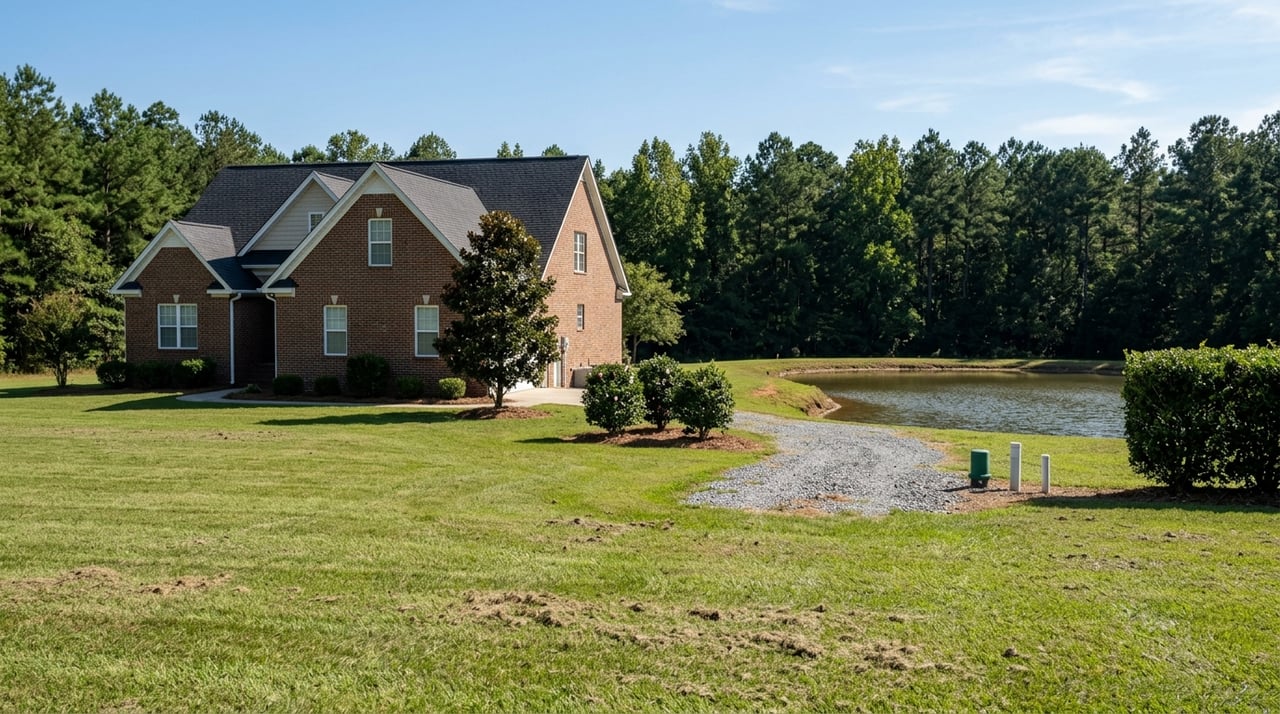
Dreaming about a little more land near Madison? Whether you want room for horses, a few animals, a garden, or simply more privacy, buying pasture, acreage, or a mini-farm comes with a different checklist than buying a typical house in town. If you want to make a smart move, it helps to understand how parcel size, zoning, water, septic, access, and floodplain issues can affect day-to-day use. Let’s walk through what to look for before you buy.
Start With Your Land Goals
Before you tour properties, get clear on how you want to use the land. A buyer looking for a house lot with space for a garden and a shed needs something very different from a buyer who wants pasture, a barn, or room for horses.
A practical way to think about Madison-area acreage is by size bands seen in current listings. Based on a sample of local inventory, 2.5 to 5 acres can work well for a home site with outdoor space and possibly a few animals where allowed, 5 to 15 acres often fits a classic mini-farm setup, and 20+ acres is usually better suited for horses, cattle, hay, or a more private homestead, according to current land listings in the area and public listing samples near Madison.
Know What Exists Near Madison
One of the appealing things about the Madison market is the range of available rural property types. In a small sample of current public listings, visible inventory has included lots around 2.48 and 2.66 acres, multiple 5-acre tracts, mini-farm parcels in the 12.49- to 13.75-acre range, a 24.59-acre equine estate, and larger holdings over 40, 80, 90, and even 120 acres.
That variety gives you options, but it also means you should not assume every rural property functions the same way. Two properties with similar acreage can offer very different value depending on fencing, road access, drainage, usable pasture, water sources, and whether improvements were properly permitted.
Check Zoning First
For Madison-area acreage, one of the most important first steps is confirming where the property is located from a zoning and jurisdiction standpoint. A Madison mailing address does not automatically mean the property follows the same rules as another property nearby.
Morgan County directs buyers to review its zoning ordinance, development regulations, and public property-record map. The City of Madison has its own planning and zoning structure, so you need to verify whether a parcel is inside city limits or in unincorporated Morgan County before you make assumptions about animals, setbacks, or future improvements.
That matters because the rules can differ. In Morgan County, AG and AR properties that are not part of a common development have no limit on equine, livestock, or poultry as long as animals are kept in proper enclosures and the site follows required yard and agricultural best practices, according to the county code. In the City of Madison, rules are more limited on smaller lots, and stables must be at least 100 feet from occupied buildings.
Match Acreage to Actual Use
Acreage alone does not tell you whether a property will work for your plans. What matters is how much of the land is actually usable.
When you walk a property, look at the layout, not just the total acres on paper. Ask yourself whether there is enough open, practical space for grazing, fencing, a barn, trailer access, feed deliveries, and equipment movement. Listings marketed for pasture or mini-farm use often highlight fencing, cross-fencing, barns, arenas, ponds, hay storage, private-road access, county-road frontage, or asphalt frontage, but buyers should still verify the condition and legal status of each feature, based on local listing patterns and Madison-area property examples.
Review Fences, Barns, And Outbuildings
A barn on the listing sheet does not automatically mean the barn is permitted, functional, or included in the sale. The same goes for sheds, workshops, run-ins, and fencing.
Before you write an offer, ask whether the existing improvements were permitted and whether they will convey. It is also smart to verify their current condition, especially if the property is being marketed around rural features like fenced pasture or utility buildings, as reflected in Madison-area listings with outbuildings and acreage amenities.
Understand Well And Septic Requirements
Many acreage and mini-farm properties near Madison rely on private wells and septic systems. That means you need to pay close attention to both current function and future feasibility.
The Morgan County Health Department’s Environmental Health program issues permits for private sewage disposal systems. If you are buying vacant land or land with an older home, ask whether there is an existing septic permit, repair permit, or final approval on file, and whether it matches the intended use and bedroom count. You can learn more through the county’s private sewage disposal information.
For wells, Georgia’s standards govern siting, construction, operation, maintenance, and abandonment. The Georgia Department of Public Health recommends annual bacterial testing and chemical screening every three years, and it also lists important setback guidance from contamination sources on its well water page.
Those separation distances matter on mini-farm properties. For example, DPH says wells should be kept at least 50 feet from a septic tank, 100 feet from a septic absorption field, and 100 feet from an animal or fowl enclosure. If a property is in a flood-prone area, well placement deserves even closer review.
Use Soil Data Before You Commit
If you are serious about buying pasture or acreage, spend time reviewing the soil map before your due diligence period ends. Soil affects drainage, pasture performance, and septic planning.
The USDA NRCS Web Soil Survey gives buyers access to soil data from the National Cooperative Soil Survey. It can help you spot areas that may drain poorly, identify land that may be less suitable for a drainfield, and better understand how the tract lays out beyond what you can see during a quick showing.
Don’t Skip Floodplain Review
Low-lying land can look beautiful, especially if there is a creek, pond, or open bottomland. Still, floodplain issues can affect where you can build and how you use the property.
Morgan County notes that if a property is inside a floodplain, structures generally cannot be built until a FEMA Letter of Map Amendment is obtained. The county also notes that flood insurance through the National Flood Insurance Program can come with a 30-day waiting period, which is another reason to research flood exposure early through the county’s zoning information resources.
Ask About Access And Frontage
Access problems can turn a beautiful tract into a frustrating purchase. Before you move forward, confirm legal access, road frontage, and whether the driveway or access point works for your intended use.
This is especially important if you expect trailer traffic, deliveries, equipment access, or future outbuilding construction. Local listings frequently mention frontage and access type, and city regulations also refer to practical site conditions such as fenced pastured acreage and high ground, as noted in the City of Madison zoning ordinance document.
A Simple Pre-Offer Checklist
Before you make an offer on pasture, acreage, or a mini-farm near Madison, review these basics:
- Confirm whether the property is inside Madison city limits or in unincorporated Morgan County.
- Verify zoning and animal-use rules.
- Ask for septic permits, repair permits, or final approvals.
- Ask for well records and available water test history.
- Review fence condition, pasture layout, drainage, and high ground.
- Confirm whether barns, sheds, and other structures were permitted and will convey.
- Check legal access, road frontage, and trailer or equipment usability.
- Review the property in the Web Soil Survey.
- Check county and state floodplain resources if the tract includes low areas, creeks, or tributaries.
Why Local Guidance Matters
Buying rural property near Madison is often less about the total acreage and more about compatibility. The right property is the one that matches your plans for animals, outbuildings, privacy, access, water, and long-term use.
That is where local experience can make a real difference. If you want practical guidance on evaluating mini-farms, pasture tracts, or small acreage in Morgan County, reach out to Lorraine Krieger for straightforward help navigating the details.
FAQs
What acreage size works for a mini-farm near Madison?
- Based on current listing patterns near Madison, 5 to 15 acres often fits a classic mini-farm setup, while 2.5 to 5 acres may work better for a home site with a garden, shed, and limited animal use where allowed.
What should you verify before buying pasture land in Madison, GA?
- You should verify zoning jurisdiction, animal-use rules, septic approvals, well information, floodplain status, legal access, road frontage, and whether fences or outbuildings are permitted and included in the sale.
Do zoning rules differ between Madison and Morgan County?
- Yes. The City of Madison and unincorporated Morgan County can have different rules for livestock, setbacks, and site use, so you should confirm the exact jurisdiction before making decisions.
Why does soil matter when buying acreage near Madison?
- Soil affects drainage, pasture use, and septic feasibility, which can directly impact how usable the land is for your plans.
What well and septic questions should buyers ask for mini-farm property?
- Ask whether there is a valid septic permit or final approval, whether the system matches the intended use, whether the well was drilled by a licensed contractor, and whether recent bacteria and chemical test records are available.