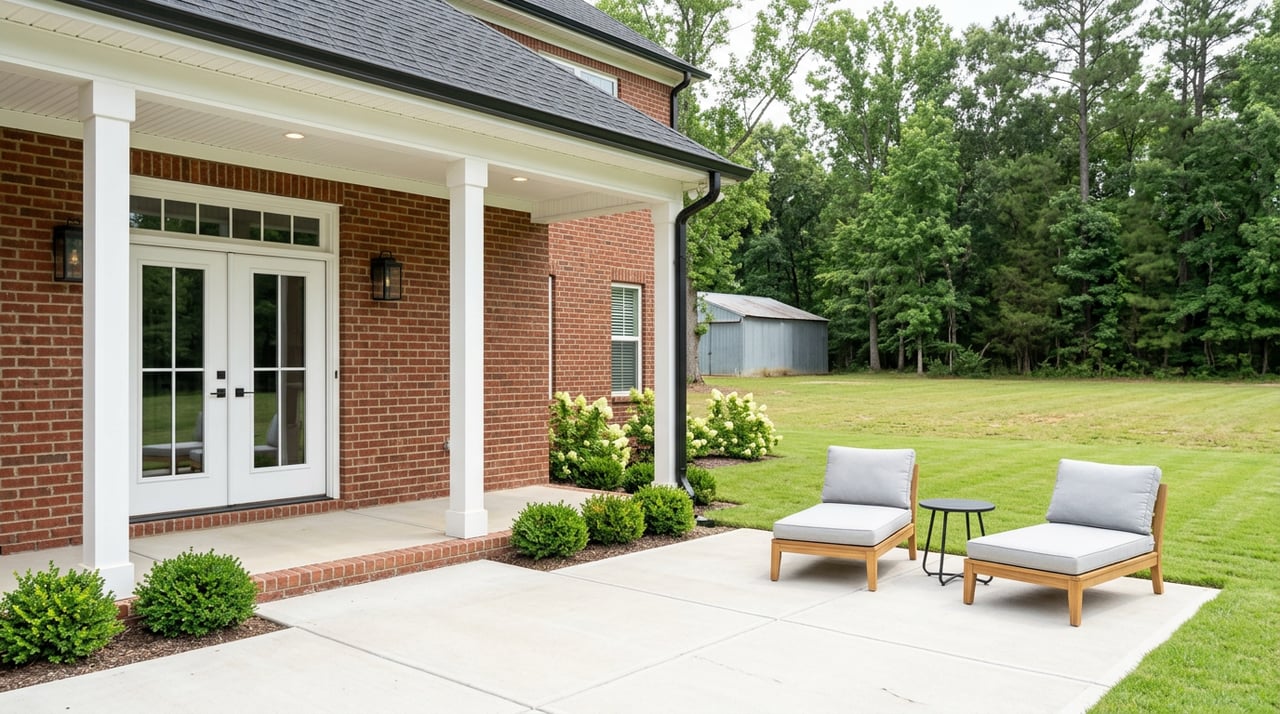
Dreaming of a little elbow room for gardens, a few horses, or small livestock near Covington? Buying acreage or a mini-farm in Newton County can be rewarding, but it comes with rules and technical steps you do not face in typical neighborhoods. This guide walks you through the local zoning, utilities, septic and well basics, site feasibility, and financing so you can buy with confidence. Let’s dive in.
Start with zoning and land use
Zoning controls what you can build, how you use the land, and even where you place barns and animal enclosures. Before you tour properties, pull the parcel’s zoning and read the relevant sections of the Newton County Unified Development Ordinance (UDO). The UDO is the local rulebook that governs permitted uses, lot sizes, and setbacks.
Confirm the zoning district and lot size
Begin by identifying the parcel’s zoning district and any overlays. In Newton County, districts like A (Agricultural), AR (Agricultural-Residential), and RE (Rural Estate) allow different uses and have different minimum lot sizes. The UDO shows that minimums can change based on utilities. For example, in the A district, the table lists a 10-acre minimum when the site uses a private well and septic, while parcels with public water or sewer may have different minimums. Review the district standards for the specific property and utility setup in the Newton County UDO.
Animals, barns, and required setbacks
If you plan to keep animals, confirm what is allowed by-right in the zoning district. The UDO sets siting and intensity rules for livestock quarters and enclosures. Livestock quarters must be at least 100 feet from a property line. In districts other than Agricultural-A, there is a cap of two large hoofed animals per fenced acre. Sketch where a barn, paddock, or coop could go and check that your layout meets setbacks and density limits.
Conditional uses and permits
Activities that look more like a business may require a conditional use approval. Examples include riding academies, intensive animal operations, or larger roadside stands. If your vision includes commercial sales or instruction, contact Newton County Development Services early to confirm what permits or approvals apply and how long they take. This clarity helps you write contingencies that protect your deposit and timeline.
Water, sewer, septic, and wells
Rural and semi-rural parcels often rely on a blend of public utilities and private systems. Confirm what is available at the property line versus what would require new installation or extension.
Public water and sewer availability
Do not assume a shaded “service area” map means a main is in front of your lot. The Newton County Water and Sewerage Authority (NCWSA) offers a Water and Sewer Information Map Request and issues written availability letters. Request a letter early that confirms whether mains exist, allowable connection points, and any extension costs. Start that process with NCWSA’s water and sewer resources.
Septic feasibility and approvals
If the property will have a septic system, state rules set the technical standards for design, capacity, and site suitability. Local health staff apply those rules and issue permits. In Newton County, the UDO states that you cannot proceed with construction of a building that will be served by a septic tank until the Health Department has approved the septic installation. Protect yourself by making the offer contingent on a soils and septic evaluation that shows the site is approvable. For statewide technical requirements, see Georgia’s on-site sewage rules.
What to request during due diligence:
- A licensed soil scientist’s report with soil borings or soil profile data.
- A layout sketch showing the proposed drainfield area and required setbacks.
- A septic capacity estimate tied to bedroom count and system type.
- A written cost estimate from a septic contractor if no system exists.
Private wells: siting and testing
If you will rely on a private well, plan for siting and water quality testing. Georgia’s Department of Public Health provides separation guidance, including at least 50 feet from a septic tank and about 100 feet from an absorption field. Ask for a recent bacteriological test and consider a new water sample during due diligence. Learn about well safety and testing from the Georgia DPH well water page.
Site feasibility: soil, floodplain, access, and surveys
The land’s natural features and recorded easements can shape where you can build, fence, and run utilities. Screen these factors before you fall in love with a view.
Soil screening for septic and pasture
Start with the NRCS Web Soil Survey to see mapped soil types, drainage, and a high-level view of septic and pasture suitability. This tool is great for early screening and can help you plan where to locate a home site, barn, and garden. Run the parcel’s Area of Interest with the NRCS Web Soil Survey, then follow up with on-site soil science and a county septic evaluation.
Floodplain and wetlands
Check whether the property includes FEMA flood zones or mapped wetlands. Building in a floodplain can increase insurance costs and limit building placement. Streams and wetlands may also require buffers or permits if you plan crossings or fill work. Use Newton County’s GIS to view parcel maps and flood layers, then discuss any wet areas you see with your inspector or an environmental professional. Start with Newton County GIS Mapping and note any constraints that need a specialist review.
Access, frontage, and easements
Confirm legal access to a public road or a recorded access easement if the parcel sits behind other tracts. If access is via a private road, request any road maintenance agreement and confirm who pays for upkeep. Review the deed and a current survey to locate easements, setbacks, and the likely building envelope. The UDO also sets frontage and access standards, so use it as a cross-check while you review survey notes.
Utilities and connectivity
Electricity and propane
Many rural areas of Newton County are served by local electric cooperatives or investor-owned utilities. Ask the listing agent which utility serves the parcel and request a written estimate for setting a new meter or extending lines. If you plan to use propane, contact local suppliers for tank placement rules and setback guidance.
Internet and working from home
Internet speed varies by address. Covington’s in-town neighborhoods may have cable or fiber, while remote tracts often rely on fixed wireless, satellite, or 5G home internet. Check actual provider availability for the property address before you buy if a home office is important.
Financing and taxes for rural buyers
Financing acreage can look different from a typical suburban purchase. Here are three common paths to explore early.
USDA Rural Development loans
Many Newton County addresses qualify for the USDA Single Family Housing Guaranteed Loan (Section 502), which can offer 100 percent financing for owner-occupied homes in eligible rural areas. Eligibility depends on both the property address and household income. Review program basics and then check address eligibility through USDA and your lender. Start with the USDA Guaranteed Loan program page.
FSA loans for small producers
If you plan to operate a bona fide agricultural enterprise, the USDA Farm Service Agency offers Direct Farm Ownership loans, down-payment assistance for beginning farmers, operating loans, and microloans. These programs require that you meet FSA eligibility and are geared to agricultural operations. Learn more from the FSA Farm Ownership Loans page.
Georgia CUVA property tax program
Georgia’s Conservation Use Valuation Assessment (CUVA) can significantly reduce property taxes for qualifying agricultural, forest, or environmentally sensitive land. CUVA involves a 10-year covenant and rules on use and transfers, and there are penalties for early withdrawal. If you buy a tract with an existing CUVA covenant, confirm the transfer requirements with the county tax office during due diligence. Read the statewide rules in the Georgia CUVA regulations.
Offer-ready buyer checklist
Use this step-by-step list to structure your offer and due diligence. Where possible, make key items contingencies so you can exit or renegotiate if a major issue appears.
- Zoning fit: Verify the property’s zoning district, overlays, permitted uses, and minimum lot size in the Newton County UDO and get written confirmation from Development Services if your plan is complex.
- Animal rules: Confirm livestock allowances, the 100-foot setback for livestock quarters, and any density caps. Ask how these apply to your barn and paddock layout.
- Water and sewer: Request a written availability letter or extension estimate from NCWSA; do this within the first 48 to 72 hours of due diligence.
- Septic approval: Order a licensed soil scientist report and septic site evaluation. Reference Georgia’s on-site sewage rules and require county Health Department approval if the home will be on septic.
- Well testing: If a private well serves the home, order bacteriological testing and confirm recommended well-to-septic separations using Georgia DPH guidance.
- Soils and mapping: Run the parcel through the NRCS Web Soil Survey and check Newton County GIS for floodplain layers before you finalize building locations.
- Access and surveys: Confirm legal road access, any recorded easements, and private road maintenance agreements. Order a current survey to map setbacks, easements, and likely well and drainfield areas.
- Title review: Ask your closing attorney or title company to search for mineral or timber reservations, utility easements, and covenants that affect farm use.
- Taxes and covenants: Confirm current tax classification and whether the tract is under a CUVA covenant. Review transfer and penalty rules using the CUVA regulations.
- Financing: If you plan to use USDA, verify address eligibility through the USDA Guaranteed Loan program and get pre-approval. If you will operate as a farm, contact FSA about Farm Ownership Loans.
Work with a local mini-farm specialist
Buying acreage near Covington is personal and local. The right partner helps you translate the UDO, line up utility letters, and coordinate soil science, septic, well testing, surveys, and financing so you can focus on the lifestyle you want. If you are serious about a garden, a few animals, or a small pasture, you deserve clear guidance and steady communication from a local who does this every day.
Have questions or want to preview suitable tracts? Connect with Lorraine Krieger for a friendly, no-pressure consultation and a property plan tailored to your goals.
FAQs
What zoning allows horses or livestock in Newton County?
- Zoning districts like A, AR, and RE can allow livestock, but rules vary; the UDO requires livestock quarters to be set at least 100 feet from property lines and caps large hoofed animals at two per fenced acre outside the Agricultural-A district.
How do I confirm a Covington-area lot can support a septic system?
- Order a licensed soil scientist report and a county septic site evaluation during due diligence, and make the contract contingent on Health Department approval if no current permit exists.
Who provides water and sewer near Covington, and how do I verify service?
- The Newton County Water and Sewerage Authority can confirm where mains run and provide connection or extension estimates; request a written availability letter early.
What is Georgia’s CUVA program and should I consider it for a mini-farm?
- CUVA can lower property taxes for qualifying agricultural or forest land in exchange for a 10-year covenant and use restrictions; review eligibility and penalties with the county tax office during due diligence.
Can I use a USDA loan to buy a home on acreage near Covington?
- Many addresses in Newton County are USDA-eligible; check property address eligibility and income limits, then work with an approved lender for the Section 502 Guaranteed Loan.
What inspections should I order for a property with a well and septic?
- Schedule a septic site evaluation, a soil scientist report, a well water bacteria test, and a survey; also confirm utility availability and check floodplain and access before your inspection contingency ends.