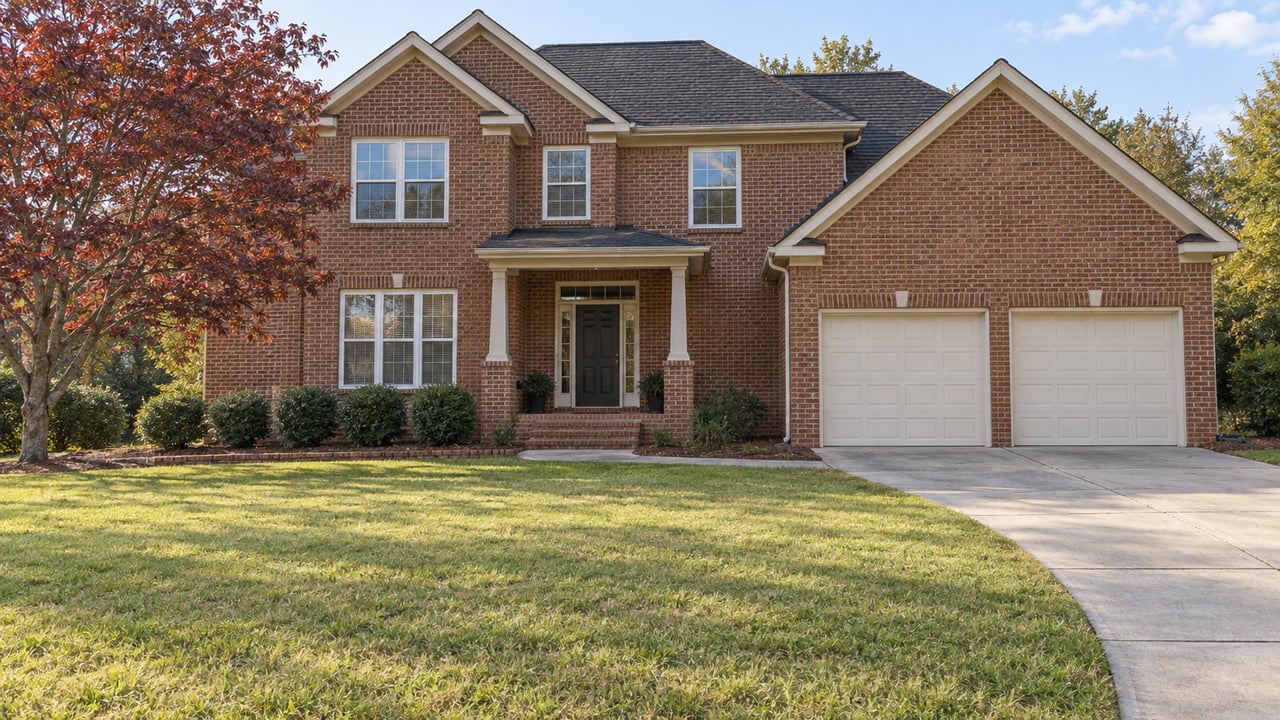
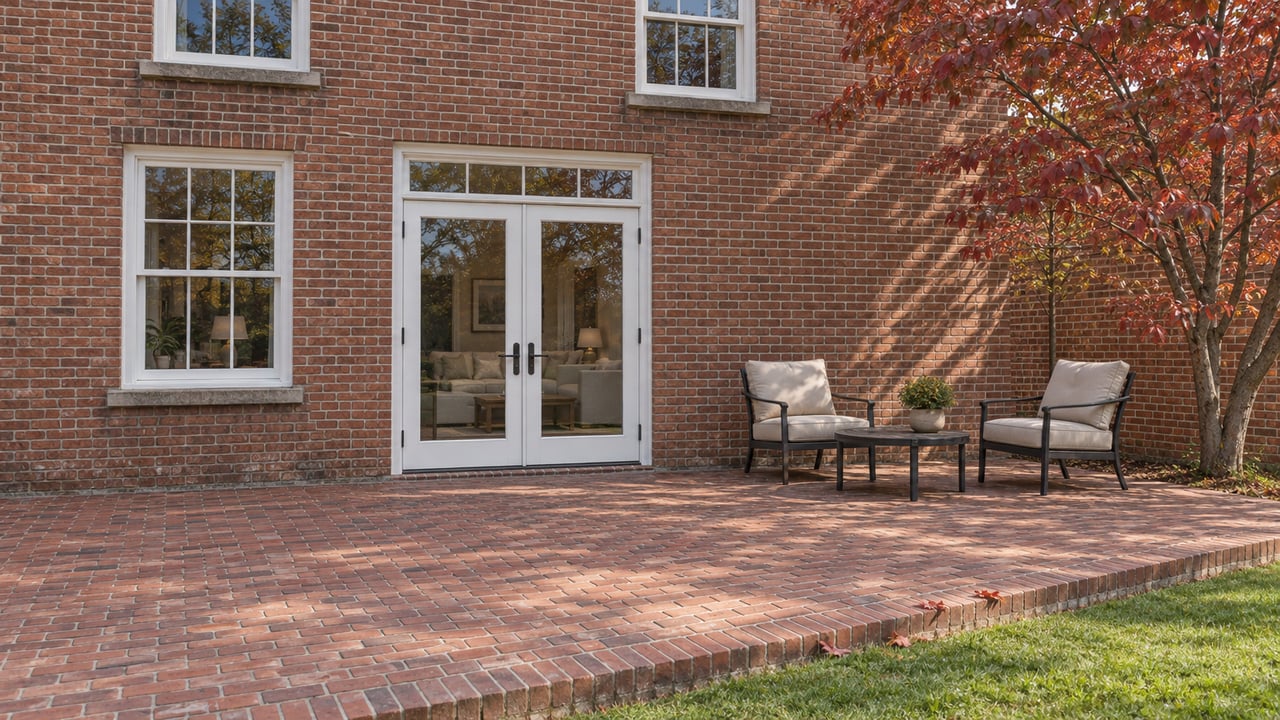
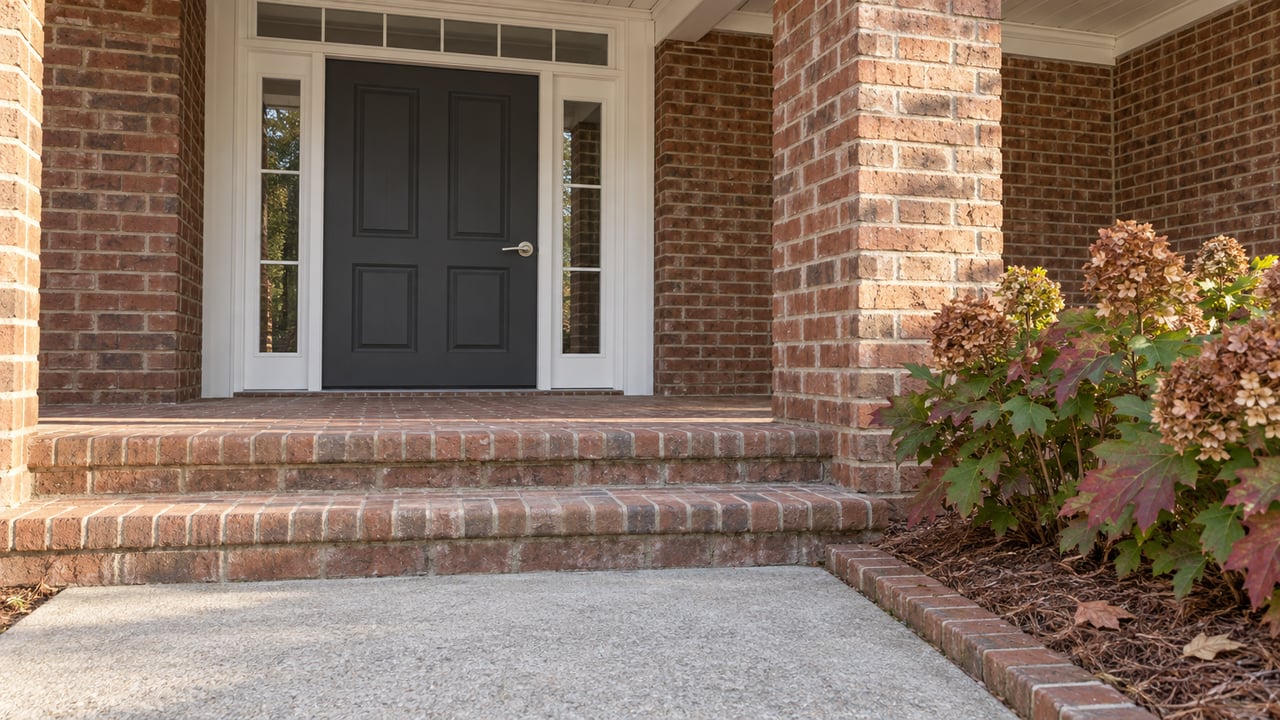
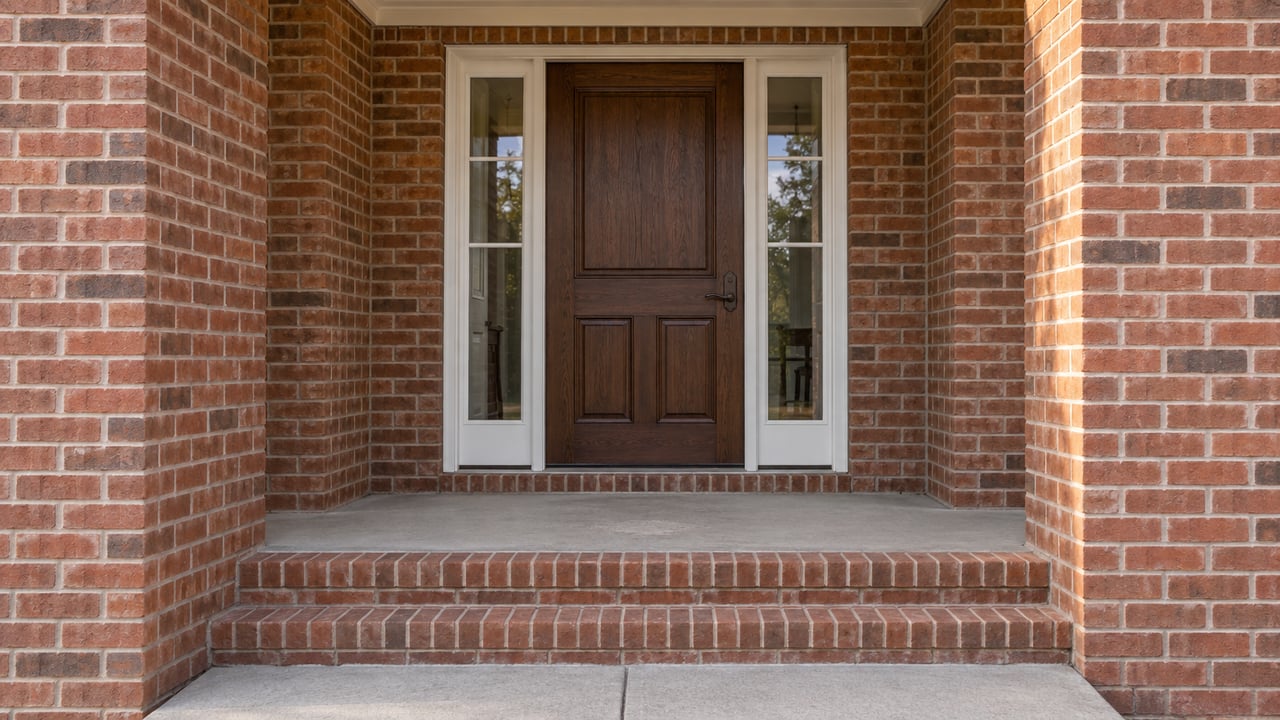
Two homes in Madison were listed last month at almost exactly the same price. One was a 1920 bungalow a short walk from the square, with original hardwood floors and a front walk of historic brick. The other was four acres a few minutes past the 441 Bypass, updated kitchen, gas cooktop, room for chickens.
Same money. Different product. Different rulebook. Different closing table. If you have been reading the portal snapshots and thinking Madison is one market with one median, this is the post that pulls that number apart.
The number that lies
As of August 2026, Madison's listed median was around $546,000 at roughly $212 per square foot, with homes sitting a median of 86 days on the market before going under contract. Redfin's snapshot for the same window puts the median sale near $550,000 and rates Madison's competitive score at 24 out of 100, with the average sale closing about 4% under list and pending in roughly 102 days.
Now look at the same town through a different lens. Zillow's typical home value for the city of Madison is closer to $391,000. That is not a contradiction. It is the tell.
| Data view | Figure | What it captures |
|---|---|---|
| Movoto listed median (Aug 2026) | $546K | What's for sale today, mix-weighted toward historic and estate inventory |
| Redfin median sale (recent month) | $550K | What actually closed, small sample |
| Zillow typical home value | ~$391K | Middle of the whole housing stock, including modest and rural homes |
| Morgan County median sold (May 2025, Rocket Homes) | $494,250 | Countywide, +8.9% year over year |
The $155,000 gap between the listed median and the typical value is the whole thesis of this post. Madison's for-sale shelf is disproportionately stocked with two categories, historic district homes and acreage properties, that pull the headline number well above what a typical Madison house is worth. If you are shopping the median, you are actually shopping two very specific submarkets that happen to price out near each other for very different reasons.
What the mid-$500s buys inside the historic district
The Madison Historic District was added to the National Register of Historic Places in 1974, with a boundary increase in 1990. It is one of the larger districts in the state, wrapping the Victorian-era downtown in antebellum, Victorian, and turn-of-the-century neighborhoods. That expanse is why a walkable Madison address commands a premium, and it is also why buying inside it comes with a rulebook most out-of-town buyers do not expect.
At the current in-district listing median of about $549,000, a buyer is typically looking at:
- A 1920s bungalow or an early-20th-century cottage on a small lot, often two or three bedrooms
- Original hardwood, original windows, some modernized systems, some not
- Deep front porches, mature trees, sidewalks that connect to the square
- Real proximity to downtown shops, the Madison-Morgan Cultural Center, and Hill Park
- Exterior work that may require a Certificate of Appropriateness review before you can change materials, windows, roof lines, or key facade elements
That last point is the friction. A Certificate of Appropriateness is not a rejection stamp. It is a design review that governs what you can and cannot do to the outside of a home within the local historic preservation overlay. Buyers who plan to swap out original wood windows for vinyl, add a rear addition, or change roof material need to price that review, and possible revisions, into the offer. It is not tax, legal, or design advice. It is a scheduling and budgeting reality that a walkable address carries.
What the mid-$500s buys past the bypass
Drive out toward Doster Road, Fairplay, or the Bethany Church Road corridor and $546,000 buys a completely different life. You are trading walkable sidewalks for road frontage, and trading a design review for a septic tank.
A representative rural listing near Madison in this price band reads like this: three or four acres, updated three-bedroom home, gas cooktop, hardwood floors, a bonus room, established landscaping, and "minutes from historic downtown Madison." The higher end of the same submarket runs toward River's End, an estate community with private amenities on Lake Oconee, and much larger tracts such as the 1,000-plus acre Scarlett Oaks holding with roughly 2.5 miles of Doster Road frontage.
The friction here is not aesthetic review. It is diligence. Septic inspections, well flow and potability tests, easement research, and the question of whether the land is enrolled in Georgia's Conservation Use Valuation Assessment (CUVA). Morgan County's Board of Assessors processes CUVA and Forest Land Protection Act applications on a rolling basis, and the classification affects the property tax bill materially. A buyer who does not ask whether the parcel is currently under a CUVA covenant, and how many years remain, can inherit a covenant that limits use, or trigger a breach penalty by changing how the land is used after closing. Ask the question in writing before you sign.
There is a second wrinkle worth naming. Morgan County, along with Madison, Bostwick, Buckhead, and Rutledge, is midway through a joint comprehensive planning process called Rooted in Morgan. It is a five-year action plan touching land use, housing, and infrastructure. Rural buyers who care about what happens on the road behind their new pasture should keep an eye on it.
Why the calendar matters more than the sticker
Now layer the time data over the price data. Madison's median days on market is running near 86 to 117 days depending on the source and slice, with the average sale closing about 4% below list. That is not a hot market. It is a market where a well-prepared buyer has room to negotiate on price, on repairs, and on closing timeline.
The mistake I see buyers make is treating the list price as the anchor. The anchor is the calendar. A home that has been sitting for 60 days at $549,000 is telling you something the portal will not: the seller has already watched two or three weekends of showings not turn into offers. That is where an experienced local agent earns the fee, by reading the days-on-market pattern for that specific street and structuring an offer the seller will actually engage with.
Two diligence lists, not one
If you are seriously comparing an in-town historic home against an outskirts acreage property at the same price, do not use the same checklist. They fail different inspections and close on different timelines.
Inside the historic district
- Confirm whether the property sits inside the local Historic Preservation District, not just the National Register district
- Ask for any prior Certificates of Appropriateness on file for the address
- Budget for original-window restoration rather than replacement
- Verify the age of the roof, electrical panel, and HVAC, since many bungalows have layered updates
- Walk the block. Sidewalk condition, tree canopy, and neighboring restorations affect resale as much as the house itself
Past the bypass
- Order a septic inspection and pump, and get the tank location mapped
- Test the well for flow rate and water quality, and verify the pump age
- Ask the seller in writing whether the parcel is in CUVA or FLPA, and for how many years remaining
- Pull a survey. Rural parcels around Madison often have fence lines that do not match deeded lines
- Check road frontage, easements, and whether utilities are already stubbed to the building site
Two homes, same price, two entirely different closings. That is the market you are actually shopping.
FAQ
Is Madison a buyer's market or a seller's market right now? It leans buyer, but not uniformly. As of August 2026, homes were closing at about 4% below list after a median of 86 to 102 days, and Redfin's competitive score for the town sits at 24 out of 100. Historic homes in strong condition still move quickly. Acreage properties above the median tend to sit longer.
Why is the listed median so much higher than Zillow's typical home value? Because Madison's for-sale inventory is weighted toward two premium submarkets, historic district homes and rural acreage tracts, while the underlying housing stock includes many smaller and mid-market homes that are not currently listed. The $546,000 headline reflects what is on the shelf, not what the average Madison homeowner owns.
Does a Certificate of Appropriateness slow down closing? Closing itself, no. Renovation plans, yes. The review governs exterior changes after you own the home, not the transfer of title. Buyers with strong renovation plans should factor review timelines into their post-closing budget and schedule.
Ready to compare the two Madisons for yourself?
If you are weighing a walkable historic block against four acres past the bypass, the right next step is a conversation, not another portal search. Lorraine Krieger has spent more than two decades helping buyers and sellers around Madison, Covington, and Newton County read what the numbers actually mean on a specific street. Request a free home valuation or local market consultation, and let's talk through what your budget really buys here.