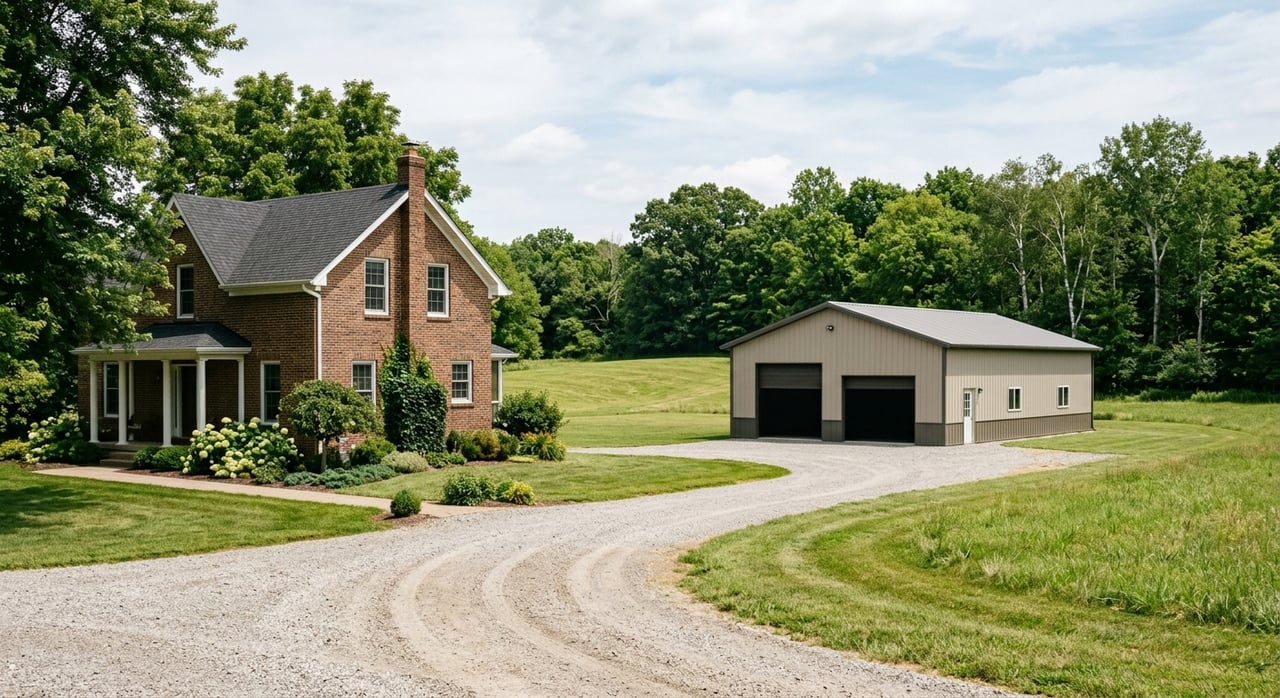
If you are getting ready to sell acreage or a mini-farm near Covington, you already know this is not the same as selling a house on a standard neighborhood lot. Buyers tend to ask more detailed questions about zoning, access, wells, septic, and whether the land can be used the way they hope. The good news is that a little prep can make your property easier to understand, easier to market, and easier for buyers to trust. Let’s dive in.
Why acreage sales are different
In Newton County, rural and semi-rural property is often valued and judged by more than the home itself. Buyers usually want to understand the zoning district, utility setup, road access, and how the land is laid out before they feel comfortable making an offer.
That matters because Newton County separately regulates A-Agricultural, AR-Agricultural Residential, and RE-Rural Estate districts. These district labels can affect how the property is used, how it is marketed, and what future buyers may be able to do with it.
Check zoning before you list
One of the first things you should verify is your current zoning. In unincorporated Newton County, Development Services and Planning & Zoning handle zoning, rezoning, plats, conditional uses, and zoning certifications.
This step matters because rural zoning is not one-size-fits-all. AR is intended for relatively large-acreage, low-density single-family development, while RE is intended for large acreage tracts with agricultural uses and sparsely populated residential areas.
Some standards also connect to utility type. For example, in some districts there may be a 51,000-square-foot minimum lot area where private well and septic are used, along with 75-foot minimum road frontage requirements in some cases.
If you have barns, sheds, or other agricultural improvements, zoning details matter there too. Newton County also has setback rules for agricultural and accessory structures, so it is smart to confirm how those buildings fit within current standards before the listing goes live.
Gather your land records early
With acreage, paperwork can carry as much weight as curb appeal. Before listing, it helps to gather the documents a serious buyer is likely to request.
Start with the recorded plat if you have one. Newton County says subdivision and individual plats can be reviewed or purchased through the Clerk of Superior Courts office and Development Services.
You can also pull parcel information through the county assessor’s database and use county GIS for parcel shapes, aerials, topography, flood layers, and street data. Just remember that Newton County states GIS is for informational and planning purposes only, not legal evidence of property lines.
If your boundary markers are missing or the lines are unclear, do not guess. Newton County says it does not locate property boundaries in the field, and the accurate fix is to hire a land surveyor.
Be careful marketing a tract as divisible
Acreage buyers often ask whether they can split the property later. That can be a major selling point, but it needs to be verified before you advertise it that way.
In Newton County, the Minor or Exempt Plat process applies to many divisions of 2 to 5 lots and to lot-line changes. If a proposal involves six or more lots, it generally goes through the Major Plat process.
That means you should be cautious about using phrases like “split-ready” or “build-ready” unless the facts support it. Clear, accurate marketing protects you from confusion later and helps attract buyers who are a better fit for the property.
Organize septic records before showings
If your property is on septic, buyers and lenders will usually want documentation. Georgia DPH says homeowners should obtain a copy of the onsite sewage inspection report from the local county health department and keep maintenance records, since lenders often ask for an existing-system evaluation at closing.
If repairs or maintenance were done, written documentation matters. DPH says work should be completed by a certified contractor, and homeowners should keep records of what was done.
For a rural seller, this is one of the easiest ways to reduce buyer uncertainty. A clear septic file helps show that the property has been cared for and can keep the transaction moving more smoothly.
Prepare well information too
If the property uses a private well, buyers will usually ask about location, condition, and testing. Georgia DPH says wells must be installed by a licensed water well contractor, annual bacterial testing is recommended, and chemical screening is recommended every 3 years.
It also helps to know where the well sits in relation to the septic system. DPH lists minimum separations, including 50 feet from a septic tank and 100 feet from a septic absorption field.
Before listing, make sure the well area is accessible and free of clutter. DPH also recommends keeping chemicals, gasoline, and fertilizer at least 50 feet away from the well.
Make the land easy to understand
One of the biggest challenges with acreage is helping buyers quickly see what they are buying. If the land is hard to read from the road, buyers may feel unsure even if the property has strong features.
Simple prep can make a big difference:
- Repair or clearly define driveways and access points
- Photograph road frontage
- Flag or identify key usable areas
- Make gates easy to open and visible
- Tidy up paths to barns, sheds, and pasture areas
- Identify where the well, septic tank, and drain field are located
If the boundaries are unclear, a survey is often the best investment. It gives buyers more confidence and helps avoid confusion about where usable space begins and ends.
Pay attention to fencing and outbuildings
On a mini-farm, buyers are often focused on the practical features as much as the house. Fencing, gates, barns, sheds, and livestock areas can strongly affect how useful the property feels.
Newton County says livestock quarters and enclosures must be at least 100 feet from any property line. The county also sets setback rules for accessory buildings and barns in agricultural districts.
That means it is worth making these improvements easy to inspect and understand. Clean fence lines, labeled outbuildings, and visible access points can help buyers picture how they would actually use the property.
Use maps carefully in marketing
Maps can be very helpful when selling land near Covington. Newton County GIS offers useful layers such as parcel outlines, hydrography, streets, topography, aerial photography, and city-limits data.
That information can help buyers see wooded areas, pasture, drainage patterns, and access routes. It can also make your listing photos and marketing package more useful.
Still, GIS should be presented correctly. Since Newton County says GIS data is for informational and planning purposes only, it should not be shown as a replacement for a boundary survey.
Expect detailed buyer questions
Acreage and mini-farm buyers usually take a practical approach. They often want clear answers before they invest time and money in inspections or due diligence.
Some common questions include:
- What is the current zoning district?
- Does the zoning allow the use I want?
- Can the tract be divided later?
- Is there a recorded plat or recent survey?
- Is the septic system documented?
- Has the well been tested?
- Where are the barns, fences, and usable pasture areas located?
- Do the outbuildings appear to meet setback requirements?
When you can answer these questions early, your property feels more credible and more market-ready. That can help attract stronger interest from buyers looking for land in Newton County.
Price with land facts in mind
Pricing acreage or a mini-farm is rarely as simple as comparing a few nearby homes. Buyers are weighing the home, the land, the utility setup, the access, and how clearly the property’s features are documented.
That is why facts matter. Verified zoning, a survey when needed, septic records, well information, visible access, and clean presentation can all support a stronger market position.
For sellers near Covington, the goal is simple: present the property as clearly and confidently as possible. The easier it is for a buyer to understand what they are getting, the easier it is for them to move forward.
If you are thinking about selling acreage or a mini-farm in Covington or Newton County, working with someone who understands local zoning, wells, septic systems, and rural buyer concerns can make a real difference. For straightforward guidance and a practical local strategy, reach out to Lorraine Krieger.
FAQs
What zoning should I check before selling acreage in Newton County?
- You should confirm whether the property is in A-Agricultural, AR-Agricultural Residential, RE-Rural Estate, or another applicable district, because zoning affects allowed uses, structure rules, and how the property should be marketed.
What records should I gather before listing a mini-farm near Covington?
- It helps to gather the recorded plat, parcel information, any survey, septic inspection and maintenance records, well information, and documentation related to repairs or improvements.
Can I advertise my Newton County land as divisible?
- You should verify that first, because land division may depend on the recorded plat and whether the proposal falls under the county’s minor plat or major plat process.
How important is a survey when selling rural property in Covington?
- A survey is very important when boundaries are unclear, because Newton County says GIS is only for informational use and is not legal evidence of property lines.
What well and septic details do buyers ask about on mini-farm properties?
- Buyers commonly ask for septic inspection and maintenance records, well test results, and the locations of the well, septic tank, and drain field.
How can I make acreage easier for buyers to understand?
- You can improve clarity by marking access points, showing road frontage, identifying usable areas, cleaning up fence lines and outbuildings, and providing accurate supporting documents.