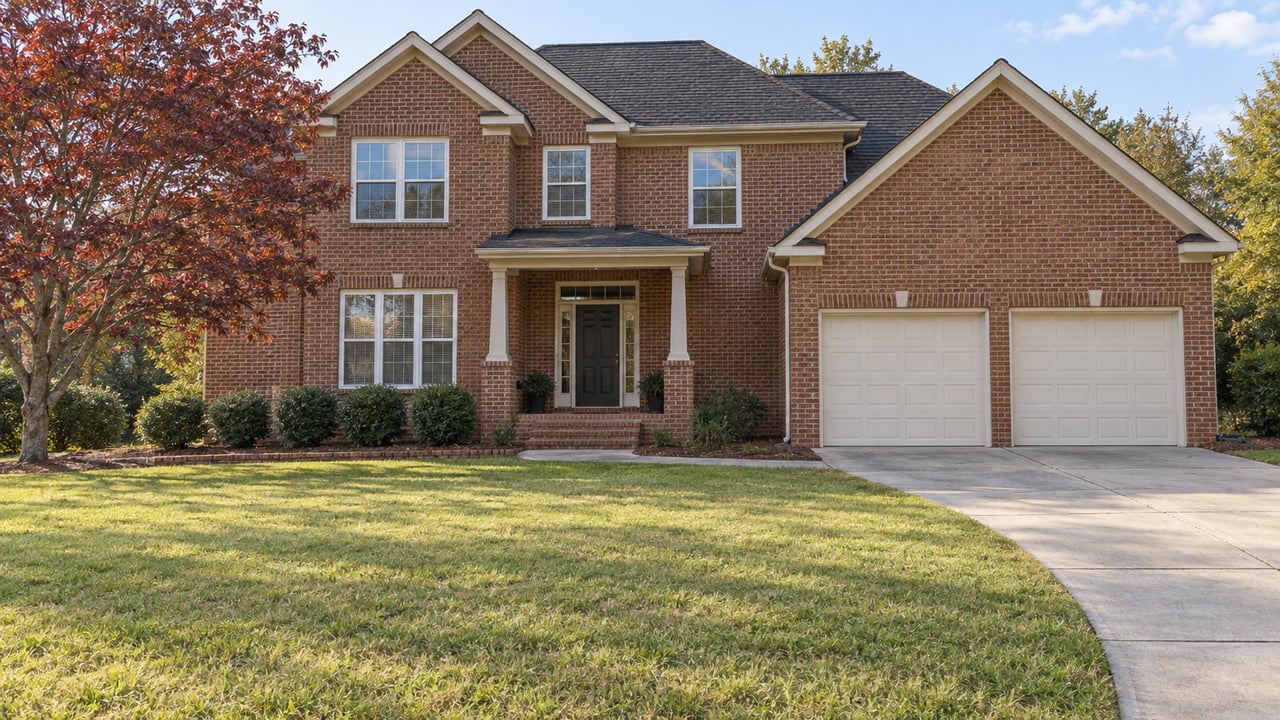
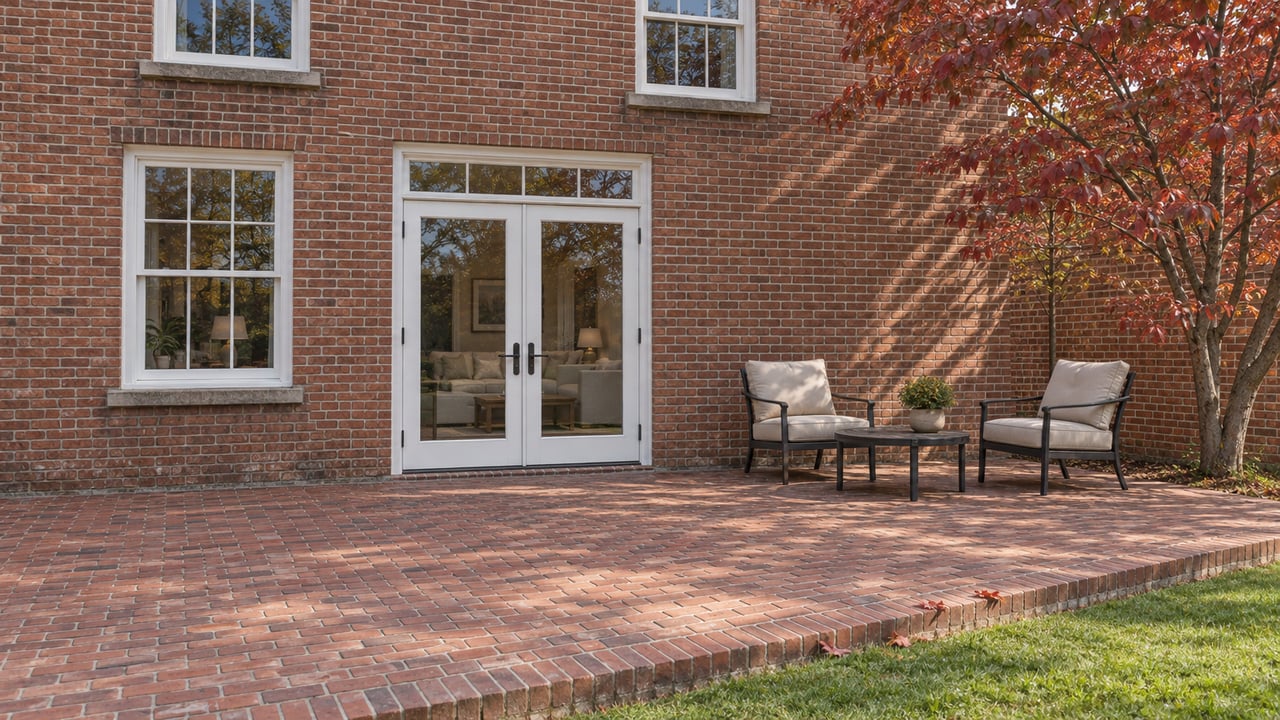
"For me, it's like an Easter egg hunt." That's how Scott Collins, a longtime inspector with Pillar to Post in Georgia, describes what it feels like to climb into the attic of a home built before 1940 and start looking for evidence of knob and tube wiring in an article for the ASHI Reporter. Plenty of houses inside Madison's local Historic District fit that description, and that discovery is one part of a historic-district transaction, as buyers weigh whether original wiring reads as charm or as a liability.
It isn't the hard part. The harder conversation happens after the inspector packs up, when an insurance underwriter who has never set foot on the property reads the same report and decides whether to write a policy at all. In Madison's local Historic District, that decision runs on its own clock, and if the fix it demands happens to touch anything visible from the street, a third clock from City Hall gets inserted before you can close.
The Inspection Finds It. The Insurer Decides What It Means.
A home inspector's job in a historic property is to document age-typical conditions, not to grade them pass or fail. Industry guidance for inspectors working on older homes specifically instructs them to note whether a property's age and region suggest wells, septic tanks, knob-and-tube wiring, or other legacy systems, and to make sure clients understand what they're looking at rather than issuing a verdict on it.
Locally, R.B.G. Home Inspections LLC has been doing exactly that kind of documentation work in Madison for more than 22 years. An inspection report may note original wiring as a condition rather than a defect. That's the correct, standard way to write it up. A report that doesn't say "fail" may still leave insurance questions unanswered.
The report is a snapshot of the house, not a commitment from anyone to insure it.
The Second Test Comes From Someone Who Never Walks The Property
Knob-and-tube wiring is one of the most common reasons insurers decline coverage on older homes outright, and even carriers willing to consider it often charge a meaningfully higher premium than they would for a home with modern wiring. On unaltered knob-and-tube systems, that gap can run 50 to 100 percent above what an updated home would pay, according to insurance industry sources, reflecting the underwriting risk of ungrounded wiring with insulation that can crack and expose live conductors after decades in place.
If a lender or an underwriter requires a full rewire before binding a policy, budget accordingly. A standard rewire for a single-story home in the 1,200 to 1,800 square foot range typically runs $8,000 to $15,000. Larger or multi-story homes, or ones with difficult attic and wall access, common in Madison's older wood-frame houses on brick piers, can run $15,000 to $30,000 or more. Some carriers will accept a lighter-touch fix: a licensed electrician certifies the existing knob-and-tube system as safe, with no insulation contact and no amateur splices, which runs $200 to $500 and takes two to four hours for the inspection itself. Either path ends the same way. The electrician's certificate of completion, the permit, the final inspection sign-off, and dated photos of the new work get bundled and sent back to the insurance agent for a fresh look, and that documentation is usually what moves a home from a surplus-lines or FAIR Plan policy back to standard coverage at a lower rate.
None of this happens on the inspection timeline. It happens on the underwriter's timeline. In a Madison historic-district contract, the insurance quote should go out before you're past your inspection contingency, not after.
Why The Fix Sometimes Needs A City Permit Too
Here's where the timeline can stack. Georgia's model historic preservation ordinance, the template state guidance points local commissions toward when they write their own rules, draws a clear line around what a commission is supposed to review:
"The Commission shall not consider interior arrangement or use having no effect on exterior architectural features."
That line matters more than it looks. It means a straightforward rewire, one that stays inside the walls, generally doesn't require a Certificate of Appropriateness (COA) at all. You can typically pull an electrical permit and get the work done without design review.
But not every insurer-required fix stays inside. If the condition flagged is an aging roof, a deteriorated electrical mast, or window glazing a carrier considers a liability, the repair becomes a "material change in appearance," and Madison's own Design Review page states plainly that the city cannot issue building permits for any exterior work until a Certificate of Appropriateness has been approved. That's when the two clocks become three:
- The home inspection turns up an age-typical condition, original wiring, an old panel, or an aging roof.
- The insurance underwriter reviews the report and either declines coverage, conditions the binder on repair, or quotes a surcharged rate.
- If the required fix is interior only, the owner can usually pull a permit directly, since the commission doesn't weigh in on work with no exterior effect.
- If the fix touches anything visible from the street, a COA application has to go in first, and Madison's Historic Preservation Commission reviews applications on a monthly basis.
- Georgia's model preservation ordinance gives a commission up to 45 days to act on an application, and if it doesn't act in that window, the application is automatically deemed approved.
- Only once the COA is issued can the city release a building permit for the exterior work.
- The repair gets completed, and the documentation goes back to the insurance agent for reevaluation.
- The lender finally gets that proof, and closing can move forward.
That's a lot of sequential steps sitting between "clean inspection report" and "keys at closing," and every one of them assumes the previous one already happened. A buyer who starts the insurance conversation on day one of their option period has time to absorb a COA cycle if it comes to that. A buyer who starts it the week before closing usually doesn't.
What The City Actually Charges To Say Yes
The COA fee schedule itself is almost beside the point once you see the numbers next to a rewire estimate. Madison charges $25 for administrative review and small projects, $100 for large projects excluding primary new construction, $100 for a conceptual review on primary new construction, and $150 for a full COA application on primary new construction. Compare that to an $8,000 rewire or a full roof replacement, and it's clear the fee was never going to be the obstacle in this process. The calendar is.
Who Locally Already Knows This Dance
A few Madison businesses deal with this sequence often enough that calling them before you write an offer, not after your inspection period, can save real time.
- Jim Boyd & Associates has operated as an independent, employee-owned insurance agency on the square in Historic Downtown Madison since 1970, with access to a range of carriers for home coverage.
- Jones, Ewing, Dobbs & Tamplin (JEDT Insurance), founded in 1954, serves Madison and Covington and writes farm, ranch, and standard homeowners coverage, useful experience for the mix of in-town historic homes and outlying properties this market covers.
- R.B.G. Home Inspections LLC has more than 22 years of experience inspecting properties in and around Madison.
None of these firms can promise you a policy sight unseen. What they can do is tell you, before you're under contract, roughly what an underwriter is going to ask for on a specific house, which turns a late-stage surprise into an early-stage line item in your offer strategy.
A Few Questions Buyers Ask
Does knob-and-tube wiring automatically fail a home inspection in Madison? No. Inspectors document it as a condition of the home's age; they don't issue a pass or fail grade on it. The insurance decision is separate and comes later, once an underwriter reviews the report on their own terms.
Does rewiring an old house require a Certificate of Appropriateness? Not by itself. Georgia's model preservation ordinance is explicit that historic commissions don't review interior work that has no effect on the exterior. The COA requirement shows up when the fix is something visible from the street, like a roof or an exterior electrical mast.
How long can the city take to decide on a COA application? Madison's Historic Preservation Commission reviews applications monthly, and the state's model preservation ordinance gives a commission up to 45 days to act before an application is automatically considered approved.
A historic Madison home is still one of the more distinctive things you can buy in this part of Georgia, and none of this is a reason to walk away from one. It's a reason to make your first phone call an insurance call instead of your last one. If you're weighing a historic-district purchase or getting a Madison or Morgan County property ready to list, Lori Krieger has spent two decades walking buyers and sellers across this region through exactly this kind of local detail. Reach out for a free home valuation or a local market consultation before you write your next offer.
This article is general information, not legal, tax or financial advice. Consult a qualified professional about your situation.