Selling your home in Covington can feel like a big project, especially if you want to get the price right, avoid surprises, and move on your timeline. If you are wondering what happens first, what matters most, and how to stay organized, you are not alone. The good news is that a successful sale usually comes down to a clear plan, solid preparation, and local guidance that fits the Covington market. Let’s walk through the process from start to finish.
Understand the Covington market
Before you make repairs or choose a list date, it helps to know what kind of market you are stepping into. In March 2026, Redfin reported a median sale price of $347,900 in Covington, with homes averaging 72 days on market and about 2 offers per sale.
That tells you something important. Covington is not an instant-sale market where you can skip prep and expect buyers to rush in. In a more measured market, pricing, presentation, and timing can make a real difference.
Spring is often the strongest season to list. Realtor.com’s 2026 seasonality report identified the week of April 12 through 18 as the strongest national listing window, which supports the usual spring advantage for sellers.
Start with a selling plan
A smooth sale usually starts weeks before your home goes live. You need time to prepare the property, gather records, review pricing, and decide what kind of outcome matters most to you.
Ask yourself a few basic questions first:
- Do you want the fastest possible sale?
- Are you trying to maximize price, even if it takes longer?
- Do you need the sale to line up with another move?
- Are there repairs or property details that could affect buyer decisions?
Your answers shape everything that follows, from list price to negotiation strategy.
Prepare your home before listing
In Covington, careful prep matters. Since homes are not flying off the market overnight on average, buyers tend to compare options closely.
A strong launch starts with the basics. NAR recommends decluttering, depersonalizing, deep cleaning, and making needed repairs before listing. Those steps help buyers focus on the home itself instead of distractions.
You may also want to consider a pre-sale inspection. That can help you spot issues early, decide what to fix, and avoid last-minute surprises once you are under contract.
Fix obvious condition issues
Small problems can make a home feel less cared for than it really is. Loose handrails, poor lighting, uneven flooring, leaking faucets, chipped paint, or damaged trim can stand out during showings.
Georgia Realtors’ updated disclosure language also makes clear that sellers have a duty to keep the property safe for prospective buyers and warn about dangerous conditions. That makes early safety fixes especially important before people start walking through your home.
Get your home ready for photos
Your online presentation matters because many buyers decide which homes to visit based on photos. NAR’s guidance on photo preparation emphasizes a clean, bright, uncluttered home.
Before photos, focus on simple improvements like:
- Clearing counters and tabletops
- Opening blinds and turning on lights
- Removing excess furniture
- Hiding personal items
- Freshening entry areas and main living spaces
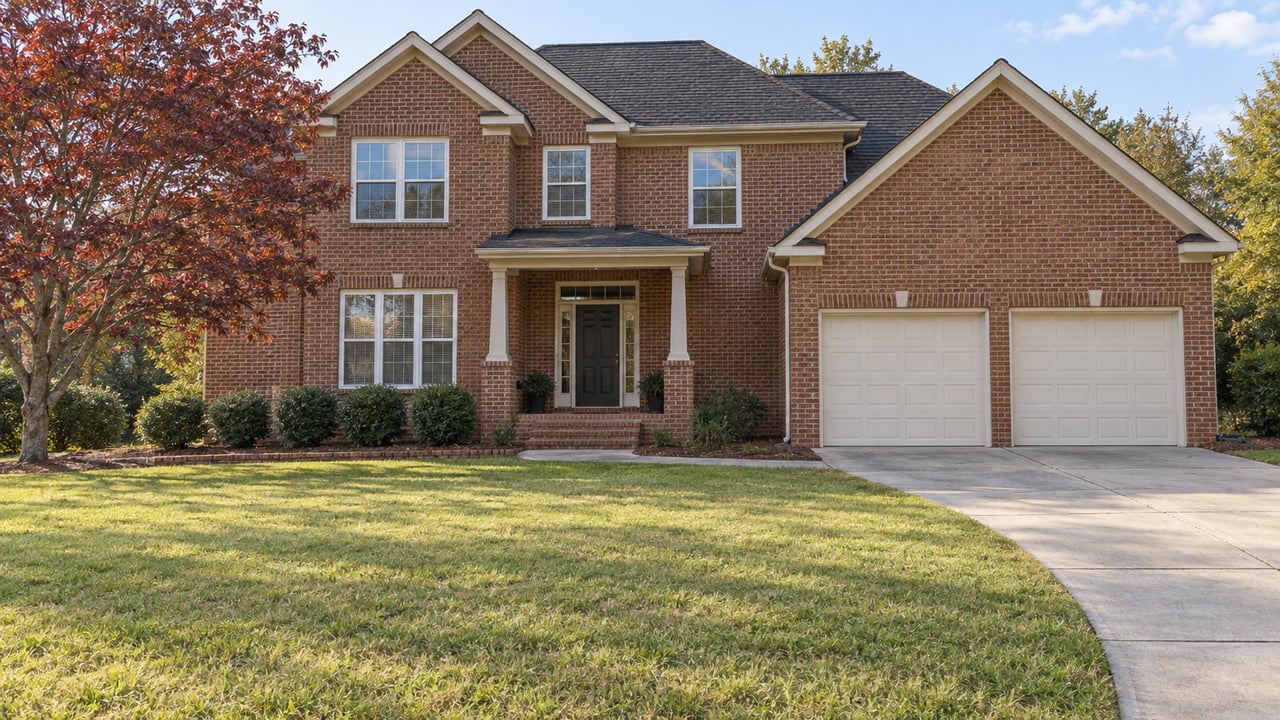
- Tidying the yard and front exterior
Staged homes are also often perceived more positively, and NAR research found that agents frequently observed shorter market times when homes were staged. Even light staging can help rooms feel more functional and inviting.
Gather records and documents early
One of the easiest ways to reduce stress is to collect your paperwork before the home hits the market. This is especially helpful if your property has features that need extra explanation.
Georgia Realtors’ 2024 disclosure update highlights the value of keeping supporting documents handy. Useful records can include:
- Repair receipts
- Appliance or system warranties
- Permits
- HOA or community association documents
- Septic or well records
- Shared driveway or private road information
- Records for shared improvements or access agreements
If you own a mini-farm, acreage property, or semi-rural home in the Covington area, this step becomes even more important. Buyers often have questions about wells, septic systems, access, and shared property features, so organized records can build trust and keep the transaction moving.
Understand Georgia disclosures
Georgia is generally treated as a caveat emptor state, which means buyers are expected to do their own due diligence. At the same time, your seller’s property disclosure still matters.
According to Georgia Realtors’ 2024 update, the disclosure is based on your actual knowledge, not a warranty of condition. In plain terms, that means you should disclose honestly, avoid guessing, and stick to what you know.
If you are unsure about a past repair, a boundary question, or whether a system issue was fully resolved, this is where paperwork helps. Clear records can support accurate disclosures and reduce confusion later.
Special property details to flag
Some homes need extra disclosure attention, especially in Newton County’s suburban and rural areas. Shared septic systems, wells, private roads, shared driveways, alley access, and community association assessments can all affect buyer decisions.
Georgia Realtors’ revised materials specifically call out these issues, including regular and special assessments in community associations and how payment responsibility can shift around closing. If any of these apply to your property, it is smart to identify them early and discuss how they should be handled.
Check title and county records if needed
If there are any questions about ownership history, old liens, or recorded encumbrances, it is wise to investigate before you list. Newton County maintains deeds and property lien records through the county clerk system in Covington.
This kind of early check can help avoid delays later. It is especially useful for inherited property, long-held family property, land parcels, or homes with older financing or shared access arrangements.
Price your home for the current market
Pricing is one of the biggest decisions you will make. NAR says pricing should be based on comparable sales, property condition, location, amenities, and current market conditions.
For a Covington seller, that means your asking price should come from a local comparative market analysis, not an online estimate and not the price you paid years ago. In a market where homes average around 72 days on market, overpricing can cause your listing to sit longer and lose momentum.
Choose the strategy that fits your goal
There is no single perfect price strategy. The right approach depends on what matters most to you.
If your priority is speed, a more competitive price may help attract stronger interest sooner. If your priority is maximizing price, you may price more assertively, but you should still stay grounded in recent comparable sales and current buyer behavior.
It also helps to remember that the highest offer is not always the best offer. NAR notes that cash offers can sometimes create a faster, more certain closing than a higher financed offer.
Review your listing agreement carefully
Most sellers still work with an agent. NAR’s 2025 profile found that 91% of sellers used a real estate agent.
As you choose representation, read the listing agreement closely and ask questions about marketing, communication, pricing strategy, and compensation. Georgia Realtors’ 2024 update makes clear that seller and buyer compensation arrangements are negotiated, not automatic, so this is something you should review carefully and understand before signing.
Launch with strong marketing
Once your home is ready and priced well, the goal is a clean, polished launch. First impressions matter both online and in person.
For many Covington sellers, that means professional MLS photography, broad online exposure, and a home that is show-ready from day one. Since buyers often compare several homes before making an offer, consistency matters.
Before each showing, try to keep the home:
- Clean
- Well lit
- Free of clutter
- Easy to access
- Comfortable in temperature
- Safe to walk through
If you have pets, plan ahead for showings. If you use smart devices like cameras, locks, thermostats, doorbells, or connected appliances, the FTC advises keeping track of those devices and preparing to remove account access, change passwords, and reset them before transfer.
Evaluate offers with the full picture
When offers start coming in, price is only one part of the decision. You also need to review the buyer’s financing, contingencies, timeline, and overall likelihood of closing.
A strong offer may include:
- A price that fits market value
- Solid financing or proof of funds
- Reasonable contingencies
- A closing timeline that works for you
- Fewer risks of delay or renegotiation
In Covington’s somewhat competitive market, you may receive more than one offer, but the average is still about 2 offers per sale. That makes it important to evaluate each one carefully instead of assuming a better offer will appear later.
What happens after you accept an offer
Once you are under contract, the sale moves into the closing phase. Georgia Consumer Ed says existing-home contracts typically close in 30 to 90 days.
During that period, the buyer may complete inspections, the lender may order an appraisal, and both sides work toward the final walkthrough and settlement appointment. This stage is where communication and good documentation really pay off.
Prepare for inspections and negotiations
Most buyers will want inspections. If issues come up, they may ask for repairs, a credit, or another adjustment.
This is one reason pre-listing prep matters so much. Homes with fewer visible issues and better records often move through this stage with less friction.
Be ready for the appraisal
If the buyer is using financing, the appraisal can be a major checkpoint. NAR notes that appraised value is part of the pricing and lending equation.
If the appraisal comes in low, the deal may need to be renegotiated. That could mean a price change, a buyer bringing in more cash, or another compromise to keep the sale together.
Know the closing costs and prorations
As closing approaches, it helps to understand a few Georgia-specific items. The Georgia Department of Revenue says the real estate transfer tax must be paid before the deed can be recorded.
The current rate is $1 for the first $1,000 of value plus 10 cents for each additional $100 or fraction thereof. The seller is liable for the tax unless the contract assigns it differently.
Georgia Consumer Ed also says property taxes and utilities are prorated at closing. That means the final settlement statement should reflect the exact closing date and each party’s share.
If you are a Georgia nonresident selling Georgia real property, the Department of Revenue says a 3% withholding tax may apply, subject to statutory exceptions such as certain principal-residence sales and other qualifying cases. If that might apply to you, confirm the details early.
Final steps before closing day
In the last stretch, focus on clean handoff and final details. Remove personal belongings, confirm any agreed repairs are complete, and keep documents easy to access.
If your home includes smart devices, remember to remove personal account access, change passwords, and reset devices for the new owner where appropriate. That simple step helps protect your privacy after the sale.
For property tax questions, Newton County’s Tax Assessor and Tax Commissioner offices may be relevant. For deed and lien questions, the county clerk system is the place to check recorded records.
Sell with a local plan
Selling your home in Covington is not just about putting a sign in the yard. It is about matching your pricing, preparation, disclosures, and timing to the way this local market actually works.
When you have a clear plan from the start, you can reduce stress, avoid common delays, and make better decisions at each step. If you are getting ready to sell in Covington or anywhere in Newton County, Lorraine Krieger can help you build a practical local strategy with straightforward guidance every step of the way.
FAQs
How long does it take to sell a home in Covington, GA?
- Redfin’s March 2026 snapshot showed homes in Covington averaging 72 days on market, and Georgia Consumer Ed says many existing-home contracts close in 30 to 90 days after an offer is accepted.
What should sellers disclose when selling a home in Georgia?
- Georgia Realtors’ 2024 guidance says the seller’s property disclosure is based on your actual knowledge, so you should disclose honestly, avoid guessing, and support your answers with records when possible.
How should a home be priced for the Covington market?
- A Covington home should be priced using recent comparable sales, property condition, location, amenities, and current market conditions, rather than relying on online estimates or past purchase price.
What documents should Covington sellers gather before listing?
- Helpful documents include repair receipts, warranties, permits, HOA documents, septic or well records, and any paperwork related to shared driveways, private roads, or other shared improvements.
What happens after accepting an offer on a Covington home?
- After acceptance, the transaction usually moves through inspections, appraisal if the buyer is financing, final walkthrough, prorations, and settlement before closing is completed.
Are closing costs and taxes negotiated when selling a home in Georgia?
- Some costs and responsibilities can be allocated by contract, and Georgia’s transfer tax is generally the seller’s responsibility unless the contract states otherwise, so the final details should be confirmed in your agreement and settlement statement.